
Dinner at Midnight
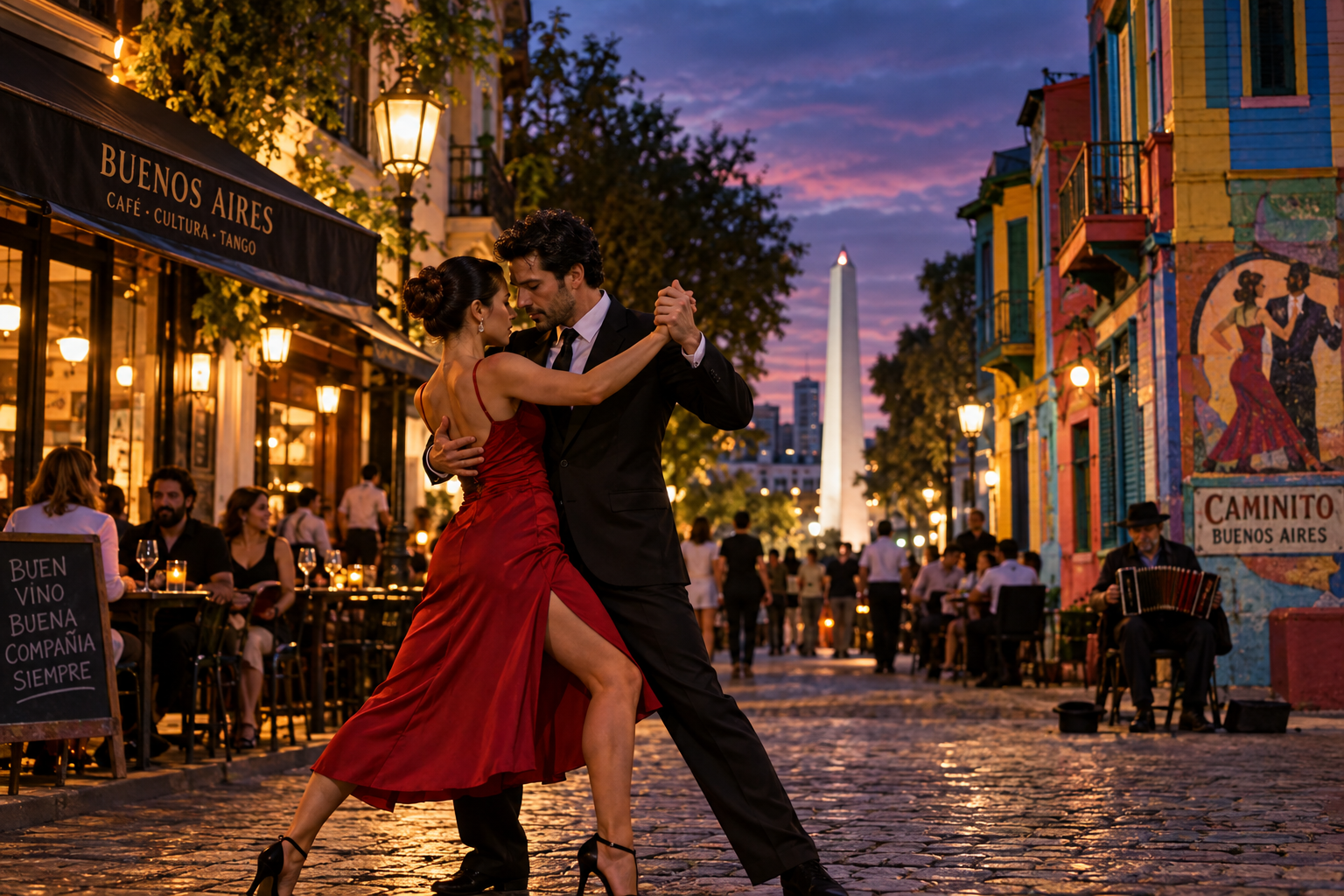
Buenos Aires does not ask whether you are ready for dinner. It asks whether midnight is too early.
Argentina's capital moves on a rhythm of its own: coffee and medialunas in old cafés, grand European-style avenues, football devotion, charcoal smoke from the parrilla, tango after dark and dinners that begin when many cities are already going home.
This Trax5 story follows that rhythm from morning espresso to the Obelisk after midnight, with enough practical detail to turn the story into a real four-night city break.
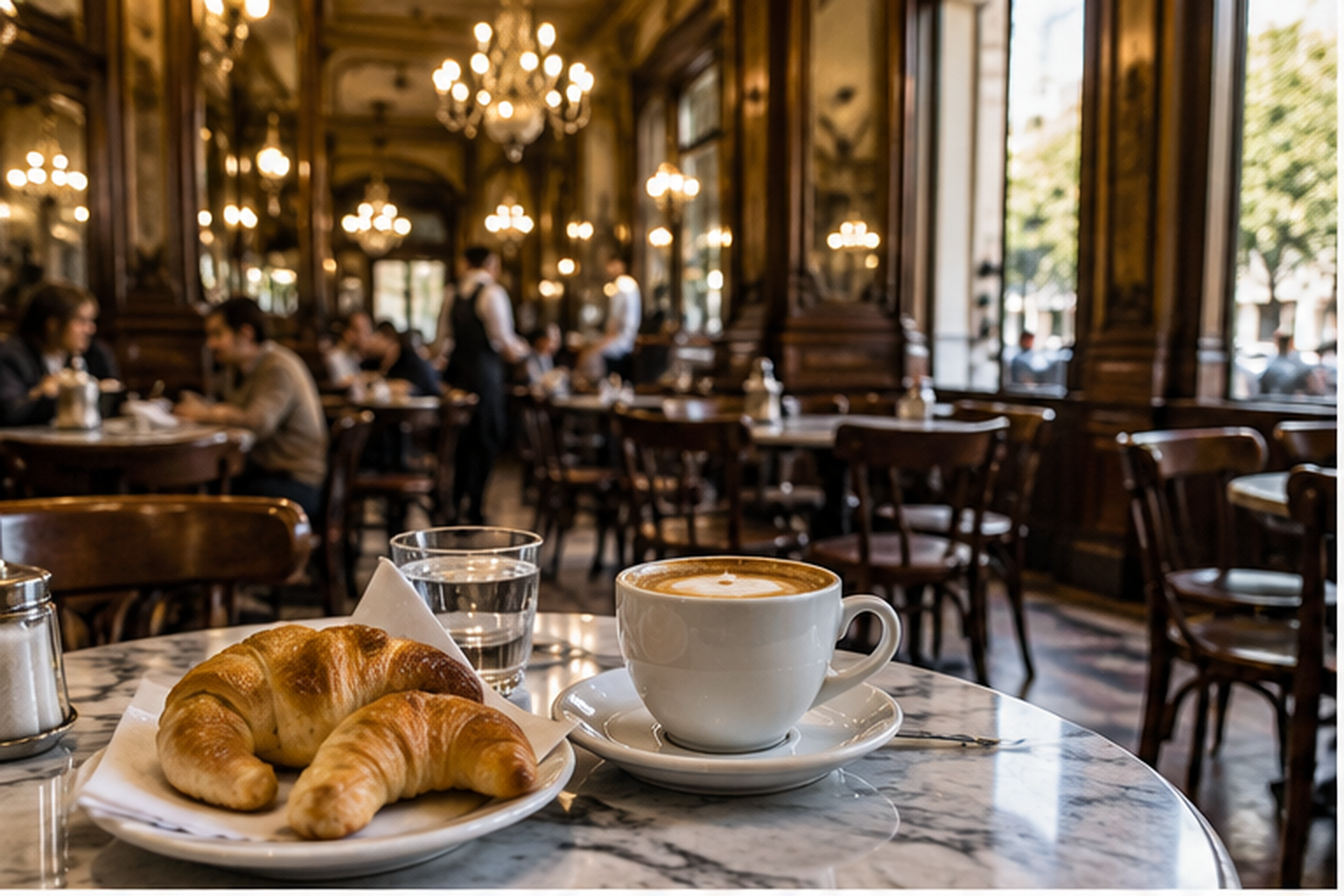
Begin With Coffee, Medialunas and No Urgency
Buenos Aires makes a strong first argument for doing less before breakfast. Find an old-fashioned café, order a café con leche and a plate of medialunas — small, slightly sweet crescent-shaped pastries that are softer and richer than a typical croissant — and watch the room wake up around you.
The local identity is often described as porteño, literally a person of the port. The word carries a whole city personality with it: urban, opinionated, social, stylish without trying too hard, and deeply attached to cafés as places for conversation rather than just caffeine.
Do not treat breakfast as a refueling stop. Sit long enough to notice the waiter who remembers regulars, the newspapers on a nearby table and the fact that nobody appears offended by the idea of spending forty minutes over one coffee. Buenos Aires will speed up later.
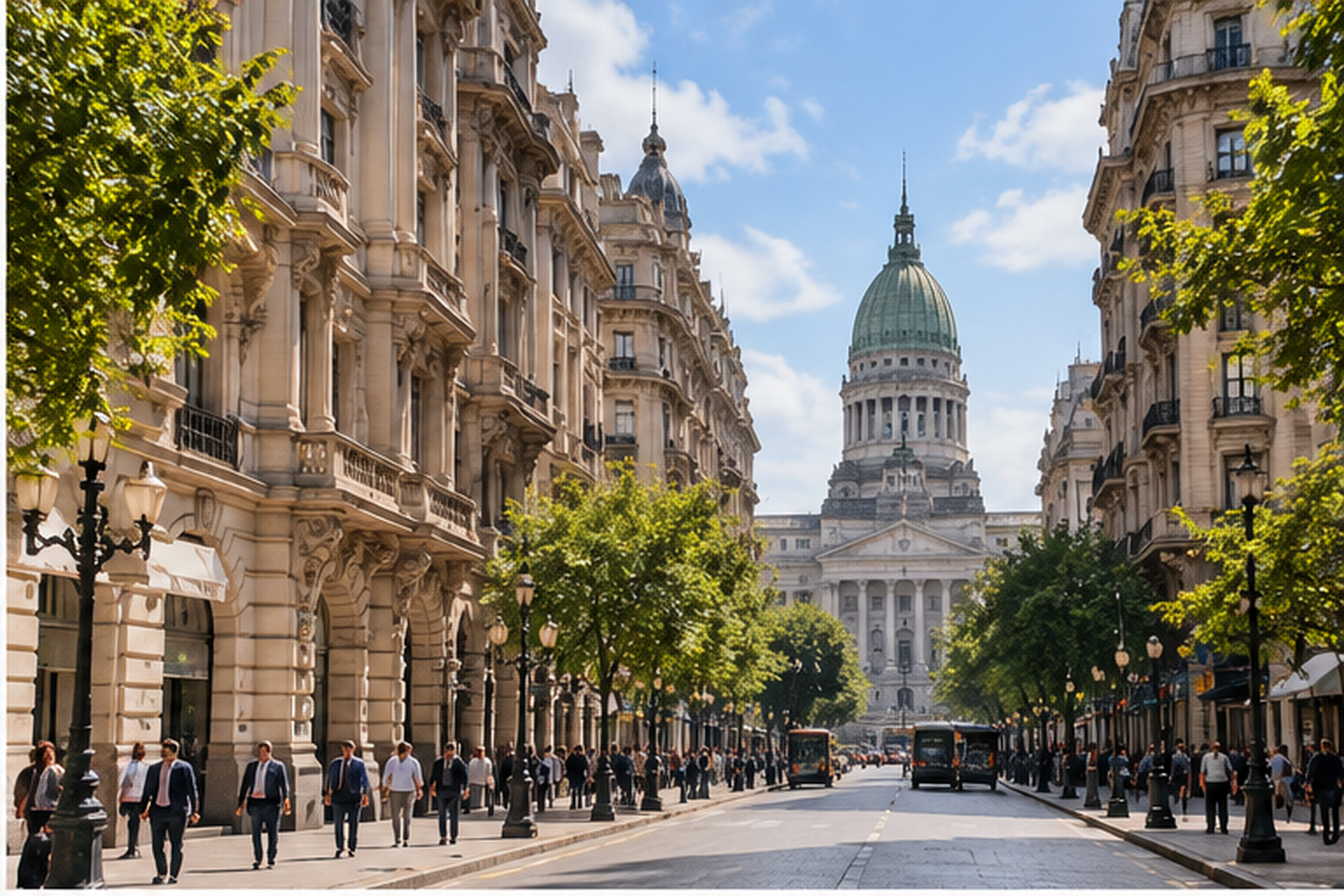
Walk the Architecture Before You Try to Explain It
Buenos Aires often gets compared with European capitals, but the interesting part is how the city recombined those influences into something distinctly Argentine. Along Avenida de Mayo, around Congreso and through Recoleta, ornate façades, iron balconies, domes and apartment blocks make ordinary walks feel unusually cinematic.
Add Teatro Colón, one of the city's great performance landmarks, then look toward the broad sweep of Avenida 9 de Julio and the Obelisk. The scale changes from intimate café streets to avenues that seem designed for parades, demonstrations and national celebrations.
The practical move is to group sights by neighborhood instead of crossing the city repeatedly. Buenos Aires is enormous. A beautiful building that looks ten minutes away on a map can become a much longer walk once traffic lights, wide avenues and irresistible cafés intervene.
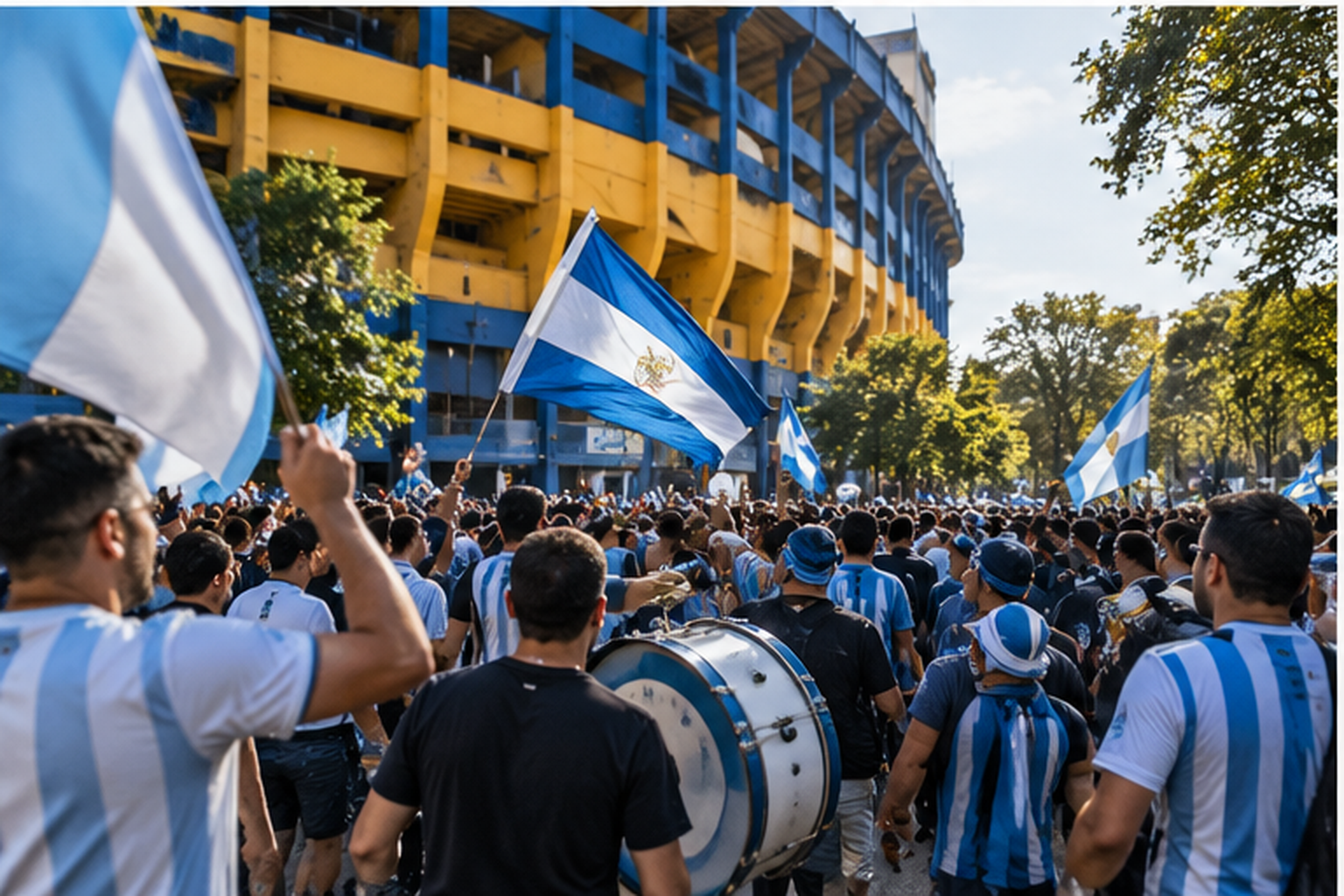
Understand the City Through Football Culture
In Buenos Aires, football is not merely a sport people watch. It is family history, neighborhood identity, argument, mythology and a reliable way to discover how emotional a city can become about ninety minutes of grass.
La Boca is closely associated with Boca Juniors and the famous stadium commonly called La Bombonera, “the chocolate box,” while River Plate has its own enormous following elsewhere in the city. Even if you never attend a match, murals, shirts, cafés and conversations make the rivalry impossible to miss.
If a match is part of your trip, use official or reputable channels and plan transport carefully. Tickets for major fixtures can be difficult, crowds are intense and local security arrangements matter. A stadium tour or neighborhood visit can still give you a strong sense of the culture without forcing your itinerary around a high-demand game.
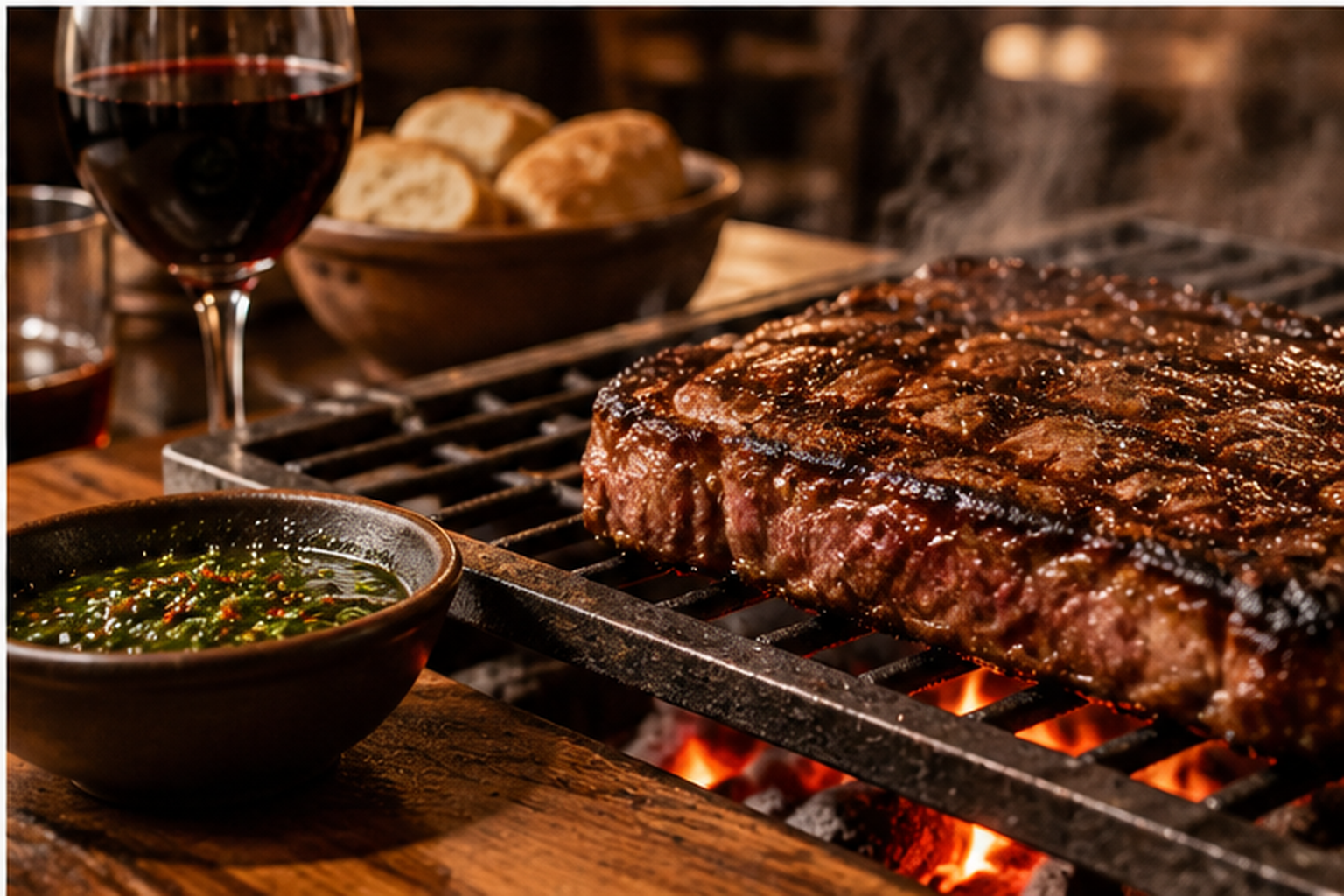
Order Steak, Then Stop Trying to Improve the Plan
Eventually the city smells like dinner. A parrilla is both the grill and, by extension, the steakhouse built around it. The cooking is usually straightforward: good beef, hot coals, salt, patience and a cook who does not need a twelve-ingredient sauce to prove a point.
Try bife de chorizo, a thick sirloin-style cut, or ask the server what is best that night. Add provoleta, grilled provolone cheese, and chimichurri, the herb-and-garlic condiment that brings acidity to the meat. A glass of Malbec is the predictable pairing because sometimes the predictable thing is correct.
Portions can be generous, so sharing works well. And do not rush the bill. Dinner in Buenos Aires is social time. The conversation after the plates are cleared has its own word across the Spanish-speaking world: sobremesa, the lingering talk around the table after a meal. Here, it can be the beginning of the night.
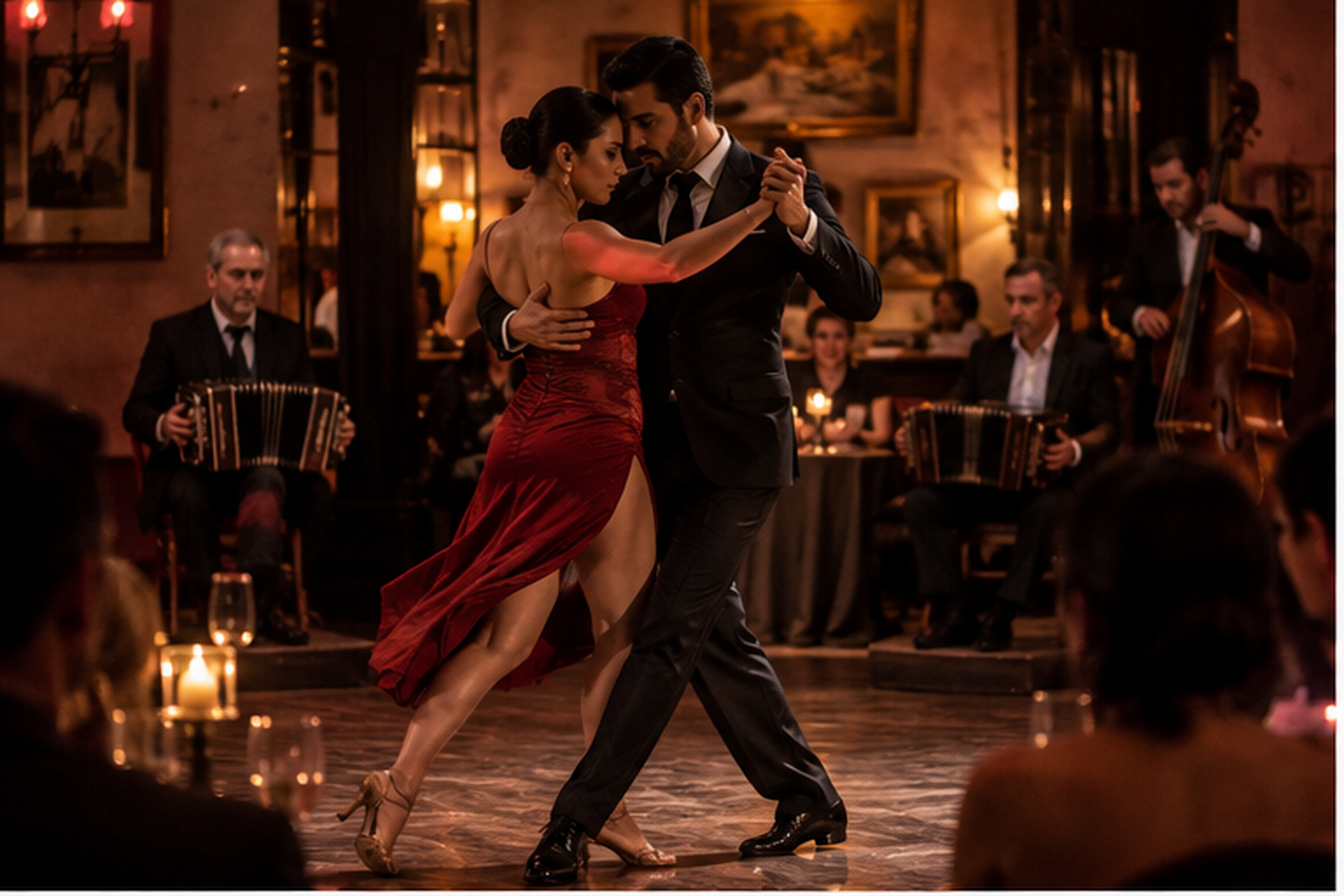
Watch the Dance Before You Decide You Understand It
Tango can arrive in Buenos Aires as spectacle, history or ordinary social ritual. A polished stage show can be thrilling, but a milonga — a social tango dance event and also the name of a related musical style — reveals something more intimate: people reading posture, music and tiny signals across a room.
Traditional tango etiquette can include the cabeceo, a subtle invitation made with eye contact and a nod rather than walking across the floor to ask directly. Visitors do not need to master every custom, but watching for a few minutes before joining helps you understand how carefully the room communicates.
If you want the full experience, book a reputable tango show or beginner lesson, then find a smaller milonga afterward. The point is not to become an expert in one evening. It is to feel how a dance born from Buenos Aires neighborhoods became one of the city's most recognizable languages.
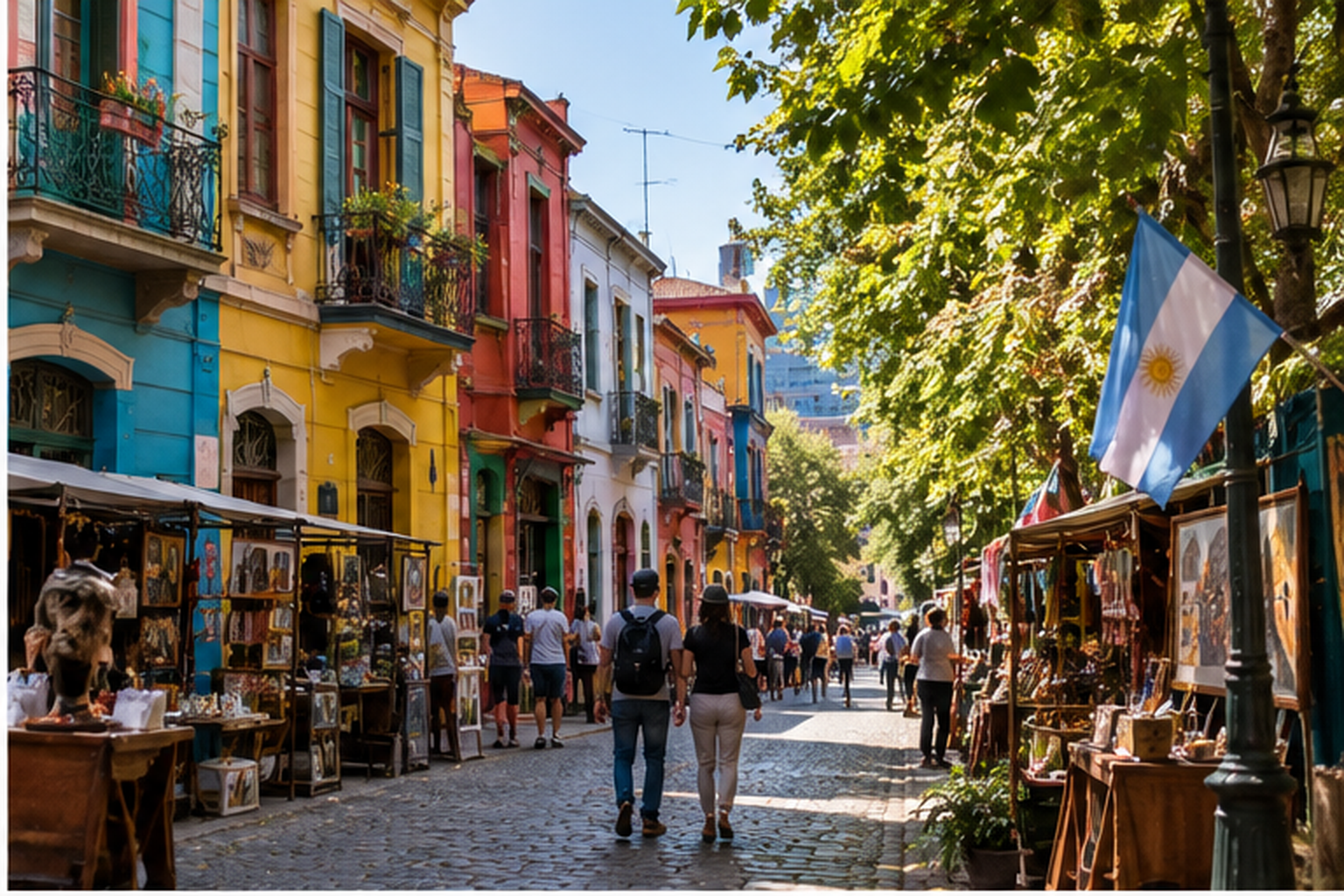
Let San Telmo and La Boca Change the Texture
After the formal avenues, go somewhere with rougher edges. San Telmo brings cobblestones, antiques, market stalls, old buildings and a weekend atmosphere that can switch from quiet history to street performance in a single block. La Boca goes louder: painted façades, football identity and the famous Caminito area.
Caminito is photogenic and popular, but it is only one small, highly visited slice of La Boca. Enjoy the color, then remember that the surrounding neighborhood is a real residential area with different safety conditions from the central tourist strip. Follow local guidance about where to walk, especially later in the day.
This is also a good time to try mate, the bitter herbal infusion shared through a metal straw called a bombilla. Argentines drink it socially and constantly. If someone offers you mate, the gesture often matters as much as the taste.
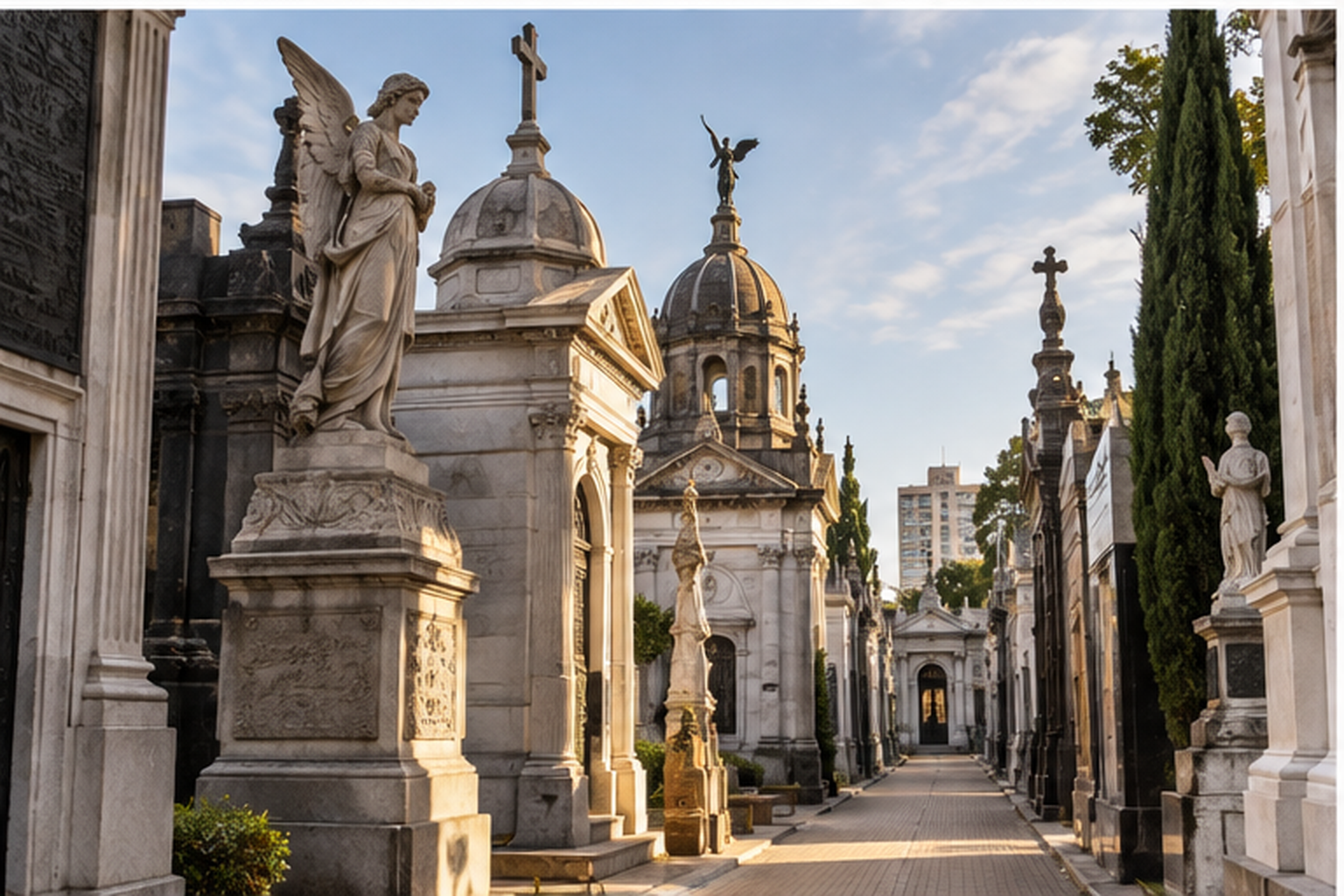
Even the Quiet Places Are Architectural
Recoleta Cemetery feels less like a cemetery and more like a miniature stone city. Narrow lanes run between elaborate mausoleums, angels, domes, stained glass and family monuments built to make memory permanent.
It is best known internationally as the resting place of Eva Perón, but the deeper experience is the architecture and the stories of the families represented there. Walk slowly and treat it as a place of burial, not just an unusual photo stop.
Afterward, return to the surrounding neighborhood for coffee, a museum or a long lunch. Buenos Aires has a talent for placing solemn history beside ordinary pleasure. You can spend an hour among marble monuments and then, one block later, be arguing about which pastry belongs beside your espresso.
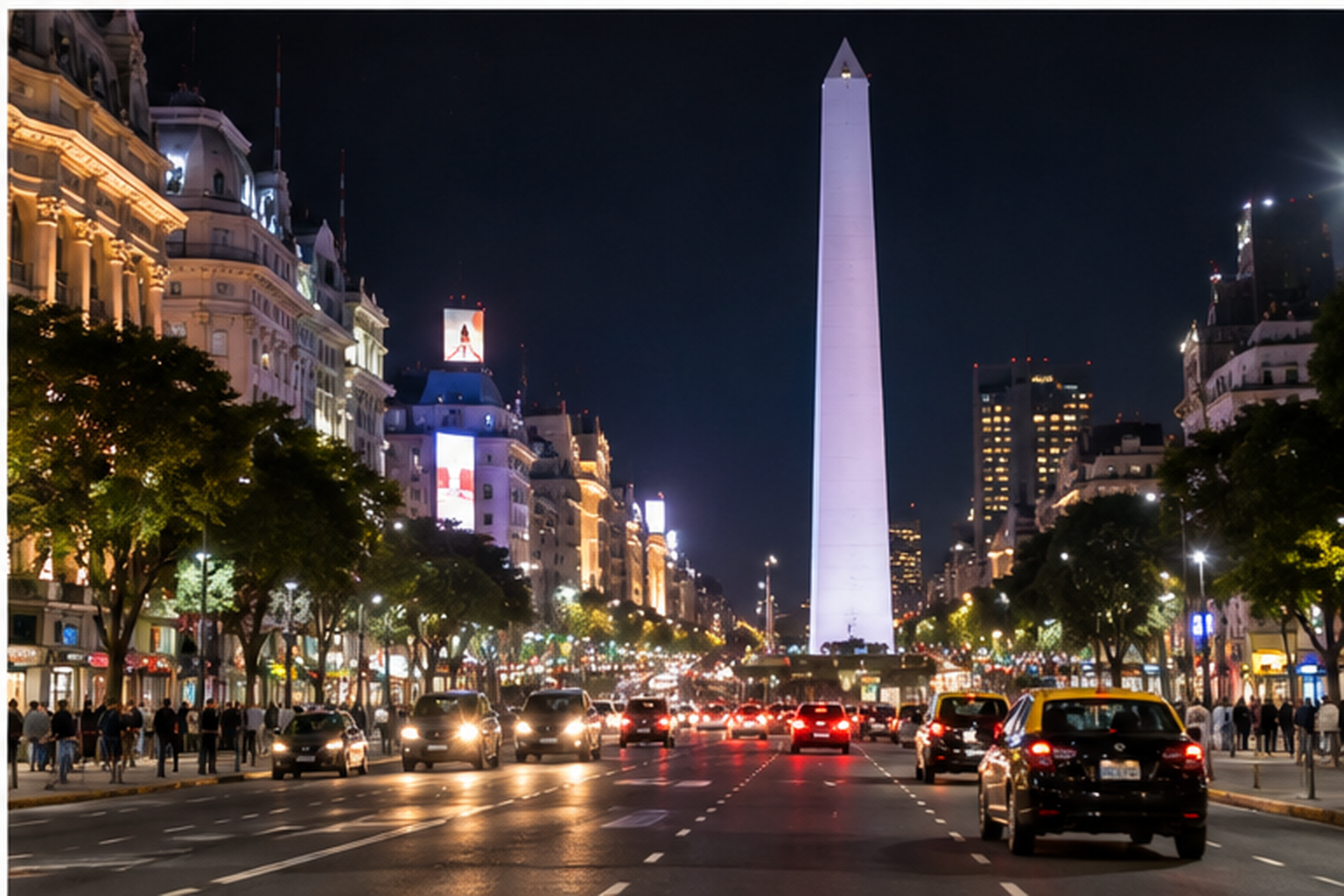
The Night Finally Explains the Title
At 10:30 p.m., restaurants are filling. At midnight, somebody is still choosing dessert. At 1:00 a.m., traffic moves under the Obelisk as if nobody told the city what time it is.
This is the final Buenos Aires lesson: do not force your home schedule onto the city. Have a late dinner. Walk a well-lit avenue after the meal. Stop for one more drink or coffee if the room feels right. In neighborhoods such as Palermo, bars and restaurants can keep the night moving much later than many visitors expect.
Then stand somewhere near the lights and let the trip collapse into scenes: butter on a medialuna, carved stone above an avenue, football chants, smoke rising from a parrilla, a tango embrace, colorful balconies and a table where dinner somehow became tomorrow.
Buenos Aires did not stay up late for you. It was already awake. You finally adjusted.
A Four-Night Buenos Aires Escape
Give Buenos Aires enough time for café mornings, grand architecture, football culture, a proper parrilla dinner, tango, San Telmo, La Boca, Recoleta and at least one night when you stop checking the clock.
Destination
Buenos Aires, Argentina
Nearest Airport
Jorge Newbery Airport (AEP); Ezeiza International Airport (EZE) for most long-haul international arrivals
Ideal Trip
4 nights
Great For
Steak, tango, cafés, architecture, football culture, neighborhoods, nightlife and city photography
DAY 1 — Cafés & Grand Buenos Aires
Start with coffee and medialunas, walk central avenues, see Teatro Colón and finish near the Obelisk.
DAY 2 — Football & Southern Neighborhoods
Explore San Telmo and La Boca, add a stadium experience if it fits, then have a proper parrilla dinner.
DAY 3 — Recoleta & Tango
Spend the day around Recoleta, museums and cafés, then book a tango show, lesson or milonga at night.
DAY 4 — Palermo & Dinner at Midnight
Use the final day for parks, shops and cafés, then let dinner start late and the last night run on Buenos Aires time.
Build Your Buenos Aires Trip
Everything you need to plan, book and enjoy your Buenos Aires escape.
Book Flights
Compare flights to Buenos Aires and find the best route for your trip.
SEARCH FLIGHTS →Find the Best Stays
Find and compare hotels and stays in Buenos Aires.
EXPLORE STAYS →Book Top Experiences
Discover Buenos Aires tango shows, food tours, city experiences and memorable activities.
EXPLORE EXPERIENCES →Travel Essentials
Search Amazon for useful travel essentials for your trip.
SEARCH ESSENTIALS →ⓘ As an Amazon Associate I earn from qualifying purchases.
A Few Things Worth Knowing in Buenos Aires
Travel smart, respect where you are, and leave a little room for fun.
Buenos Aires is social and conversational. Greet people politely, be patient with late meal times, and do not assume every interaction should move quickly. In churches, cemeteries and memorial spaces, keep voices down and photograph people only with reasonable courtesy.
Check the bill for included charges. In restaurants and cafés, around 10% for good table service is a common practical guideline when service is not included. Small cash tips are also appreciated by hotel staff, guides and drivers when service has been helpful.
Pickpocketing and phone snatching can happen in busy areas, on public transport and around nightlife zones. Keep your phone secure near traffic, use reputable transport at night, avoid displaying valuables unnecessarily and be cautious with unofficial money-exchange offers.
Buenos Aires is large, so plan by neighborhood and expect traffic. Carry a payment backup because card acceptance and cash preferences can vary. For La Boca and late-night walks, stay on well-used routes and follow current local advice about which blocks are appropriate for visitors.
Spend reasonably on the things that genuinely improve the trip — a memorable parrilla dinner, a good tango experience, safe transport and a well-located stay. Then relax, smile, stay out a little later than planned and let Buenos Aires be fun.
Buenos Aires was only one wrong turn.
There are plenty more. Choose another Trax5 story and see where you end up.