
Wait… This Is Pakistan?

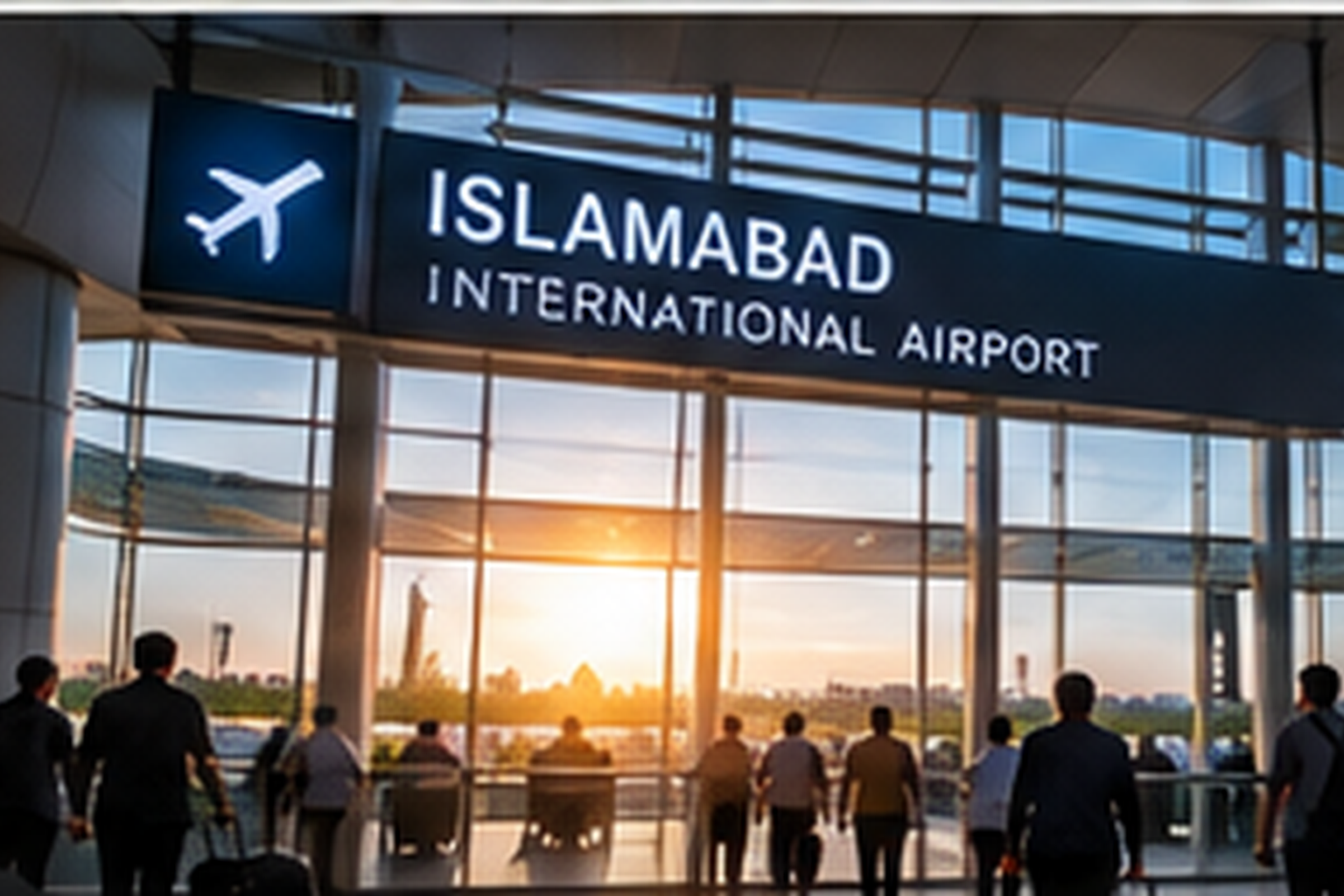
Wait… This Is Pakistan?
The first surprise is the space. Islamabad does not introduce itself with the density of Karachi or the old-city intensity of Lahore. It arrives in broad avenues, tree-lined sectors, surprisingly quiet corners and the Margalla Hills rising behind the capital like a green wall.
Pakistan's purpose-built capital is organized into sectors, but the geometry never feels like the whole story. Mountains keep appearing between buildings. Parks interrupt the roads. Cafés fill with students, families and office workers. Then a roadside chai stop reminds you that however modern the plan looks, the rhythms are unmistakably Pakistani.
This is the right city to arrive without trying to prove what Pakistan is supposed to look like. Islamabad's best trick is quietly replacing that expectation.

Faisal Mosque does not need a dome to make an entrance
Faisal Mosque sits at the foot of the Margalla Hills with four needle-like minarets and a huge angular prayer hall that looks unlike the classical domed mosques many travelers expect. The building is modern, monumental and somehow even more dramatic because the mountains begin almost immediately behind it.
Come with time to walk the grounds rather than treating it as a photograph. During prayer periods, remember that this is first a working mosque and only second a landmark. Dress modestly, remove shoes where required and follow local guidance about access to prayer areas.
As evening approaches, the white structure changes with the light. Families gather, children run across the open spaces and the call to prayer rolls toward the hills. Islamabad suddenly feels less like a planned capital and more like a place with its own emotional center.

Trail 3 or Trail 5: trade traffic for mountain air
Few capital cities let you finish breakfast and then walk straight into proper hills. The Margalla Hills are Islamabad's backyard, and Trail 3 and Trail 5 are among the best-known routes for travelers who want to understand why locals talk about the city's greenery with such pride.
Trail 3 is generally the steeper, more direct workout; Trail 5 is often chosen for a somewhat gentler climb through wooded terrain. Conditions vary with weather and season, so start early, carry water, wear real walking shoes and check current local guidance before setting out.
Then comes the payoff: the city falls away beneath you. Roads become lines, buildings shrink into the green and the neat capital that looked enormous from ground level suddenly seems to fit between the hills and the horizon.
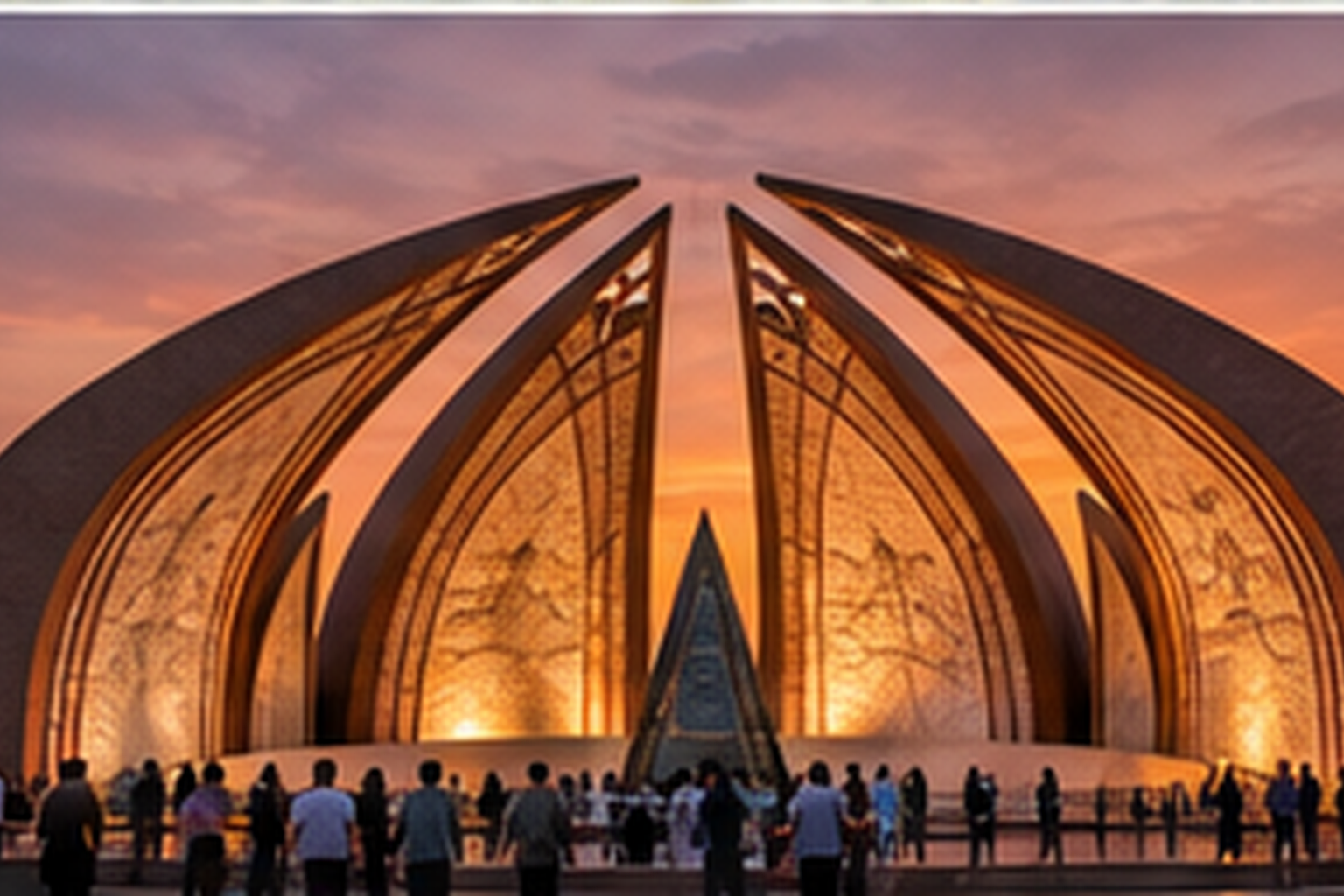
Daman-e-Koh above, Pakistan Monument below
If the hike gives you Islamabad through effort, Daman-e-Koh gives it through perspective. The hillside viewpoint looks across the capital toward Faisal Mosque and the grid below. Its name roughly means the “foothills” or “lap of the mountain,” and sunset is when the view earns its reputation.
Back in the city, the Pakistan Monument tells a different story. Its petal-like structure represents the country's unity, while the surrounding museum and viewpoints add historical context. Come late enough and the monument begins to glow as Islamabad's lights appear around it.
Do both in one day if the timing works: mountains first, monument later. You get the physical shape of the capital and then the national story the capital was built to represent.
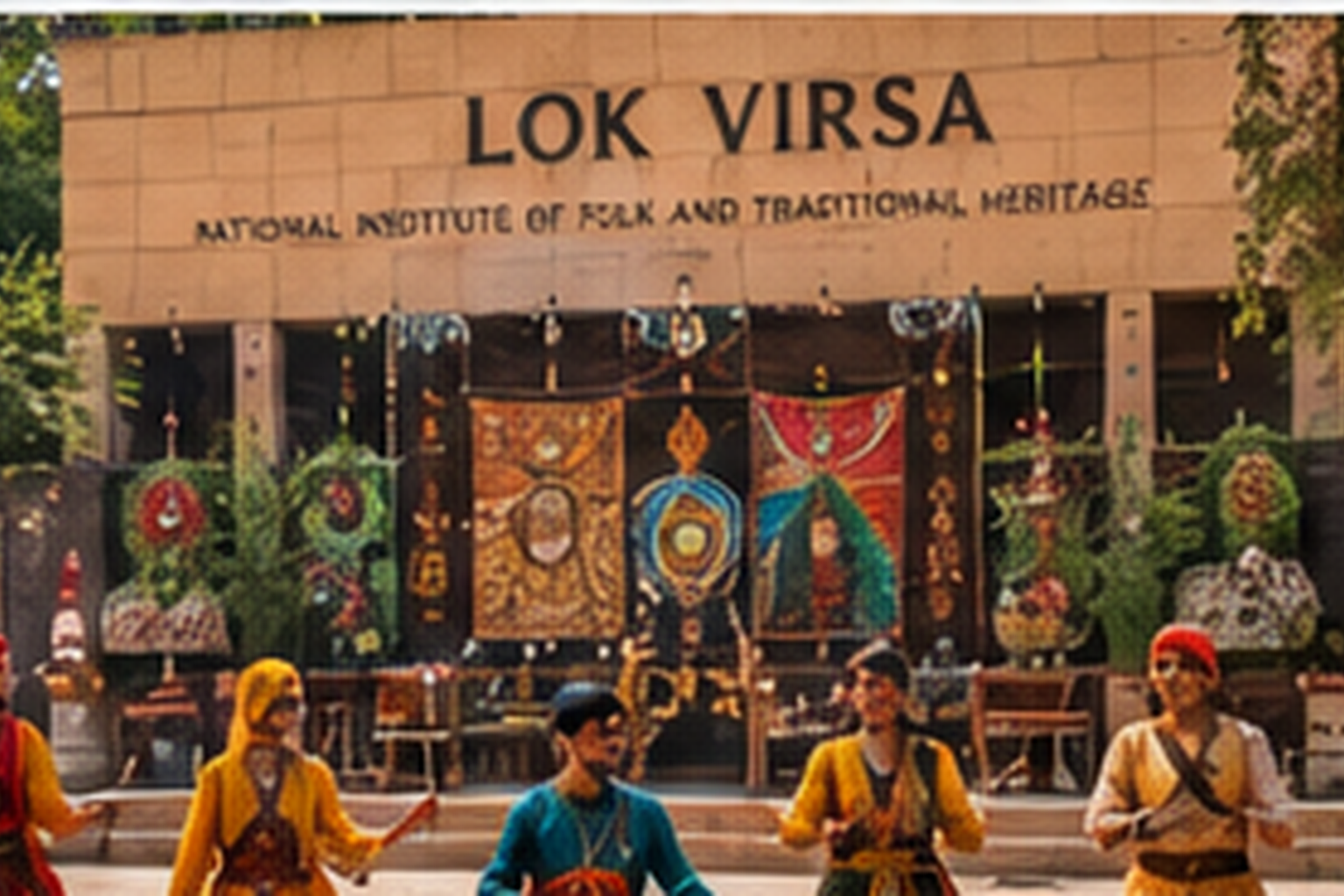
Lok Virsa turns one city into a country-sized introduction
Islamabad can feel new, which makes Lok Virsa especially useful. The heritage museum shifts the focus from the capital to Pakistan's many regional traditions — clothing, crafts, music, domestic life and cultural identities from across the country.
For an English-speaking visitor, it is one of the best places to understand that “Pakistani culture” is not one uniform thing. Punjab, Sindh, Khyber Pakhtunkhwa, Balochistan, Gilgit-Baltistan, Kashmir and other communities bring different languages, textiles, foods and traditions to the national picture.
Give it more than a quick walk-through. The objects make the food, clothing and conversations you encounter elsewhere on the trip easier to place in context.
Saidpur Village slows the afternoon down
At the edge of the Margallas, Saidpur Village feels like Islamabad briefly forgot its master plan. Stone walls, older village fabric, hillside views, restaurants and cafés create a softer transition between the modern city and the landscape around it.
This is not a place to attack with a checklist. Walk, have tea, sit longer than intended and let the setting do the work. Chai simply means tea, but in Pakistan it is also punctuation: after a meal, during a conversation, before leaving, after deciding not to leave.
By late afternoon, Saidpur is an easy place to understand one of Islamabad's strengths. The city does not force every experience into an urban box. Mountains, villages and modern neighborhoods keep bleeding into one another.

Islamabad gets much louder at the dinner table
The city may look restrained, but Pakistani dinner is under no obligation to behave that way. Order karahi — meat cooked in a wok-like metal pan with tomatoes, chilies, ginger and spices — and tear hot naan by hand to scoop up the sauce. Add seekh kebabs, grilled on skewers, or chapli kebab, a broad spiced minced-meat patty associated especially with the northwest.
Islamabad also has a substantial café culture. Coffee shops, bakeries and modern restaurants sit comfortably beside traditional barbecue, pulao and chai. That mix suits the capital: young, educated, international in places, deeply Pakistani in others.
Do not rush dinner. Share dishes. Ask what is good today. If someone insists you take another piece of kebab, resistance may be technically possible but culturally inefficient.
Cross into Rawalpindi and the neat grid disappears
Islamabad's twin city is Rawalpindi, almost universally shortened to Pindi. Cross over and the contrast becomes the final punch line of the story: denser streets, older commercial neighborhoods, rickshaws, bazaars, roadside food and the kinetic urban energy Islamabad keeps at arm's length.
Browse a busy market, eat something hot, listen to the bargaining and notice how quickly the atmosphere changes despite the two cities touching each other. Then return toward Islamabad as evening settles over the Margallas.
Finish at a legal, currently open hillside or city viewpoint and watch the lights spread below. The trip began with “Wait… this is Pakistan?” By now the better question is why anyone expected Pakistan to look only one way.
Make This Story Your Trip
Destination: Islamabad, Pakistan
Nearest Airport: Islamabad International Airport (ISB)
Ideal Trip: 3–4 nights
Great For: mountain views, hiking, architecture, Pakistani food, cafés, heritage, photography and travelers who enjoy a calmer capital with easy access to a much busier twin city.
Build Your Islamabad Trip
Keep the planning simple: choose a well-located stay, leave weather flexibility for the Margalla Hills, and reserve enough time for both Islamabad and Rawalpindi.
Search Islamabad stays on Expedia
Friendly Advice
Local etiquette: Islamabad is relaxed by regional standards, but modest clothing is a good default, especially at Faisal Mosque and other religious places. Remove shoes when requested, avoid walking in front of people who are praying, and ask before photographing people closely. “Assalam-o-alaikum” is the common greeting meaning “peace be upon you”; “shukriya” means thank you.
Tipping and service norms: Tipping is appreciated for good service but is not governed by one rigid percentage everywhere. Check restaurant bills for service charges. Small tips for attentive hotel staff, drivers and guides are welcome when the service merits it.
Common hassles: Islamabad is generally less commercially aggressive than many major tourist cities, but confirm fares with non-app taxis and clarify prices before agreeing to private guiding or transport. In crowded Rawalpindi markets, keep normal big-city awareness around phones, wallets and bags.
Practical reminders: Islamabad's weather changes sharply by season. For Margalla hiking, start with daylight to spare, carry water, wear suitable shoes and check current trail, weather and wildlife guidance locally. Mobile service, access rules and road conditions can change, so verify same-day plans for hill areas and viewpoints.
Enjoy it: Do not spend the trip trying to save the last few rupees or racing through every attraction. Pay reasonably for a worthwhile meal, a comfortable ride or a good guide when it adds value. Sit down for chai, talk to people, relax, smile and let the city surprise you. Islamabad works best when you leave enough space in the schedule to enjoy how different it feels.
Build Your Islamabad Trip
Everything you need to plan, book and enjoy your Islamabad escape.
Book Flights
Compare flights to Islamabad International Airport (ISB) and choose the route that works best for your trip.
SEARCH FLIGHTS →Find the Best Stays
Find and compare hotels and other places to stay in Islamabad.
EXPLORE STAYS →Book Top Experiences
Discover sightseeing, cultural experiences, day trips and other activities for your Islamabad visit.
EXPLORE EXPERIENCES →Travel Essentials
Search Amazon for useful travel essentials for your trip.
SEARCH ESSENTIALS →ⓘ As an Amazon Associate I earn from qualifying purchases.
Islamabad was only one wrong turn.
There are plenty more. Choose another Trax5 story and see where you end up.