
The City of Seven Hills and Bad Decisions
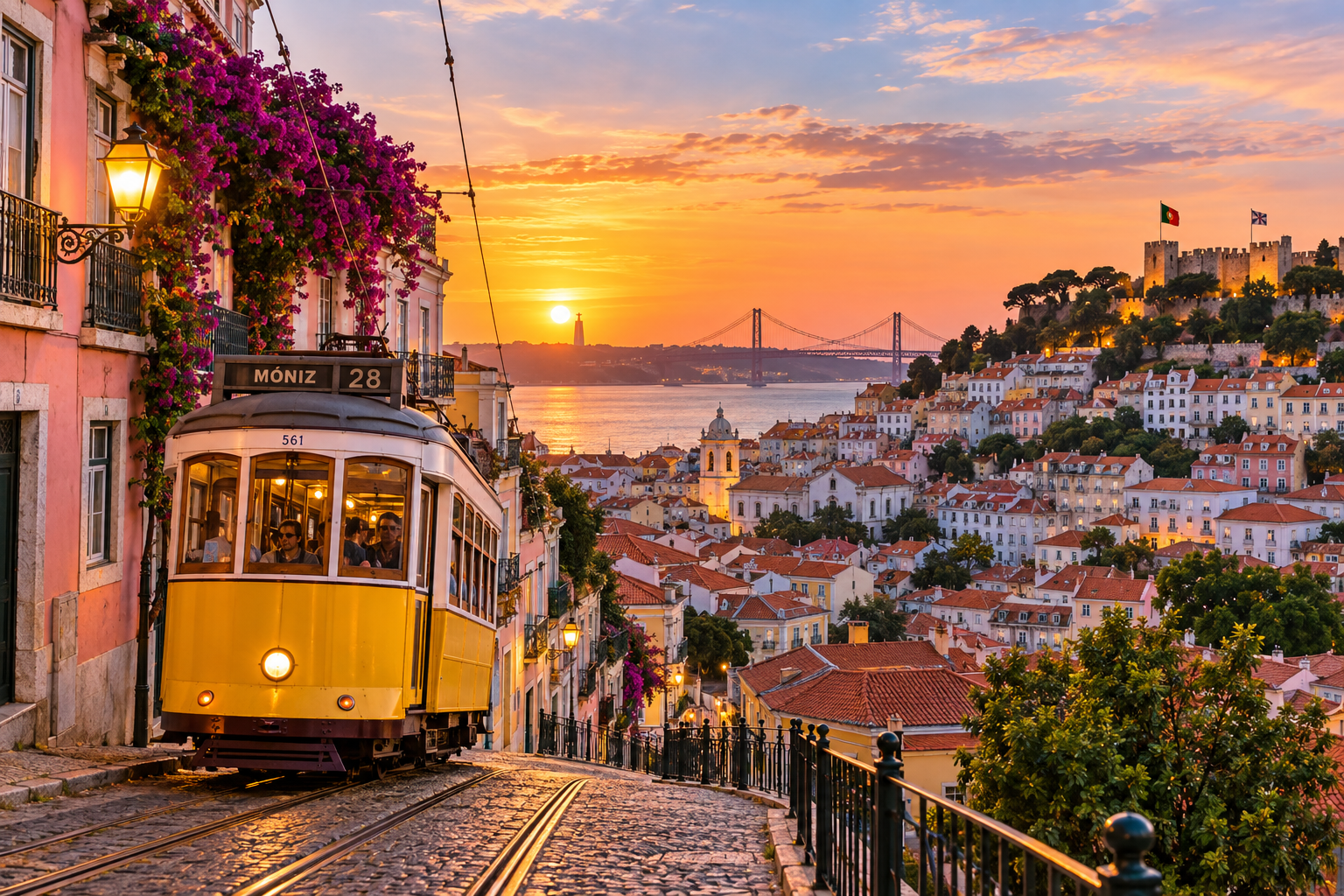
Lisbon looks innocent from a viewpoint: tiled façades, red roofs, a river flashing in the sun and yellow trams climbing streets that appear to have been designed by someone who disliked flat ground. Then you start walking. One hill becomes three, lunch becomes a seafood marathon, one glass becomes a late night, and suddenly “The City of Seven Hills and Bad Decisions” feels less like a title and more like a travel strategy.
This Trax5 story follows Lisbon through its trams, Alfama lanes, seafood tables, miradouros, fado, Belém and after-dark neighborhoods—the classic experiences, but with enough wandering room for the city to make a few decisions for you.
Trust the Yellow Tram More Than Your Legs
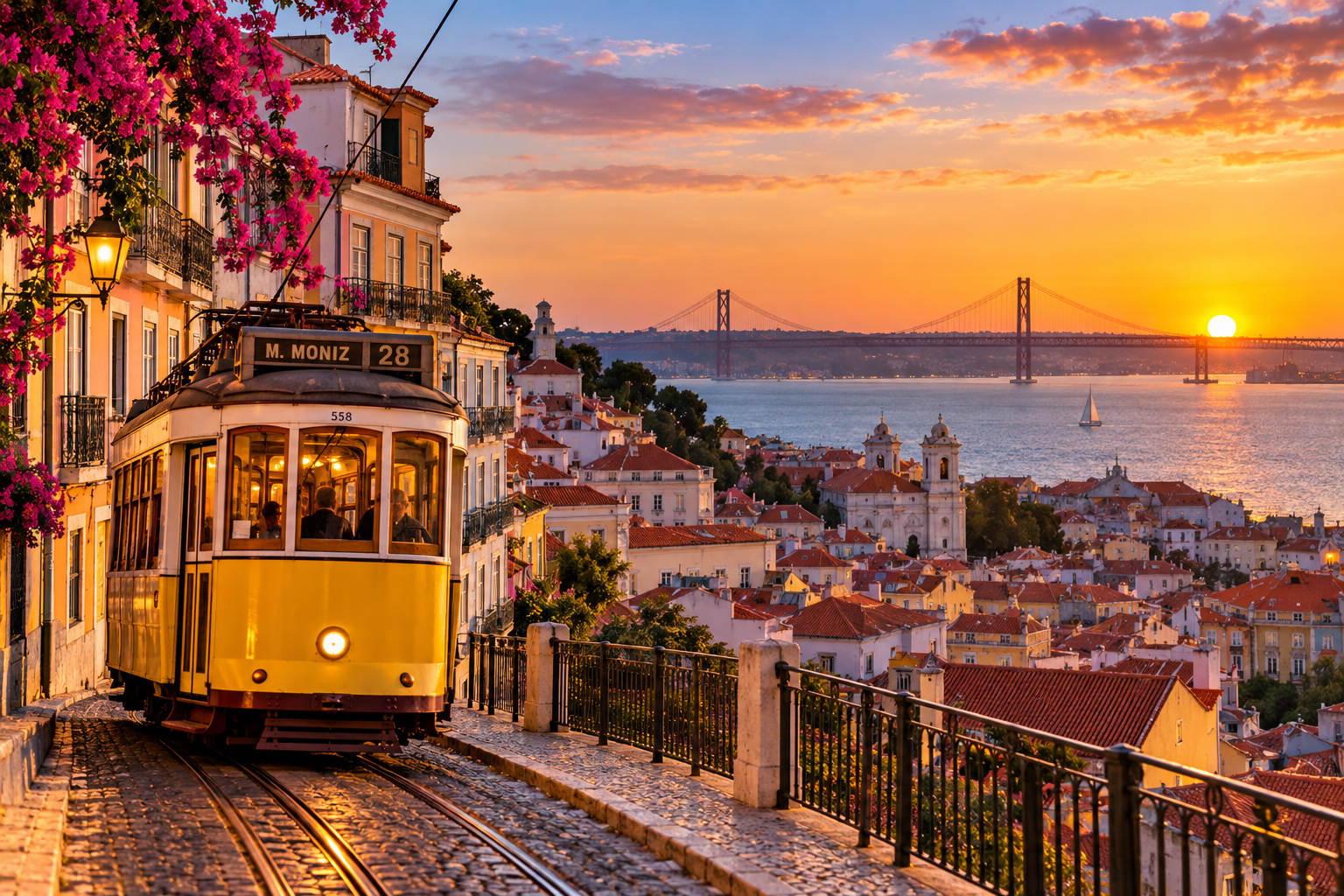
Lisbon introduces itself vertically. Streets rise, dip and turn without apology, and the famous yellow trams seem to attack the slopes with the confidence of vehicles that have been doing this far longer than you have been wearing comfortable shoes.
Tram 28 is the celebrity route, threading through historic neighborhoods including Graça, Alfama, Baixa and Estrela. It is popular for a reason: wooden interiors, tight corners and old streets sliding past the windows make ordinary public transport feel cinematic. It can also be crowded, so ride early or outside the busiest hours and keep normal city awareness around your phone and wallet.
The first Lisbon lesson arrives quickly: the tram is not cheating. It is strategic hill management. Save some energy. You are going to need it.
Order Seafood Before You Start Asking Sensible Questions
Lisbon's relationship with the Atlantic reaches the table quickly. Grilled sardines are a summer classic, bacalhau means salt cod and appears in countless preparations, and restaurants may offer everything from octopus and clams to whole grilled fish priced by weight.
Ask what is fresh and understand how the price is calculated before ordering a large fish or shellfish platter. Then stop overthinking it. A simple plate of grilled fish, potatoes, salad, olive oil and lemon can be one of the meals you remember longest.
And yes, make room for a pastel de nata, the small Portuguese custard tart with flaky pastry and a caramelized top. Cinnamon is common. One is research. Two is still research. Lisbon is not the city where dietary discipline becomes more interesting than dessert.
Let Fado Change the Volume of the Night

After a noisy day, fado asks you to listen. In an intimate room in Alfama or Mouraria, conversation drops away and a singer begins carrying stories of longing, love, absence and fate over Portuguese guitar.
The word saudade is often associated with fado. There is no perfect one-word English translation; think of it as a deep longing for someone or something absent, mixed with memory and affection. You do not need to understand every lyric to understand the emotional weather.
Choose a reputable fado house, check whether dinner or a minimum spend is part of the arrangement, and stay quiet during performances. The reward is not a staged “Portuguese night.” At its best, fado gives Lisbon a voice that feels older than the room.
Collect Miradouros Like You Earned Them
Lisbon's hills keep charging admission in calf muscles, but they pay you back in miradouros—viewpoints where rooftops tumble toward the Tagus and the city suddenly makes geographic sense.
Miradouro da Senhora do Monte gives you a broad panorama. São Pedro de Alcântara looks across toward the castle and central hills. Santa Catarina has its own social energy near sunset. You do not need to race between them. Pick a couple and let the light do the work.
Buy a drink nearby, sit on a wall or terrace and watch the city change color. The best viewpoint is often the one where you stop checking whether another viewpoint is supposedly better.
Make One Questionable Decision in Bairro Alto
Lisbon after dark changes neighborhoods and tempo. Bairro Alto fills with small bars and people moving between narrow streets. Nearby Chiado is polished and central, while Cais do Sodré adds late-night energy closer to the river.
The useful strategy is to eat first, pace yourself and remember that tomorrow's hills have not signed a peace treaty. Portuguese beer, wine and ginjinha—a sweet sour-cherry liqueur often shortened to ginja—are easy local introductions, but there is no prize for sampling everything in one evening.
Stay where the atmosphere feels good, use reputable transport when you are done, and keep the “bad decisions” charming rather than expensive. The story is better when everyone gets home with their phone, wallet and dignity mostly intact.
Get Lost in Alfama on Purpose
Alfama is where Lisbon stops behaving like a grid. Alleys become staircases, laundry hangs above lanes, tiled walls catch the light and a route that looked obvious on the map becomes an argument with gravity.
That is the point. Walk toward São Jorge Castle if you want a destination, but allow the neighborhood itself to be the experience. Small squares, churches, doorways and sudden river views make detours more interesting than efficiency.
People live here, so treat the lanes as a neighborhood rather than a theme park. Keep voices reasonable late at night, do not block doorways for photos and ask before photographing residents. Lisbon welcomes curiosity better than entitlement.
Give Belém the Riverside Afternoon It Deserves
Head west to Belém when you want Lisbon to open out along the river. The district connects Portugal's maritime history with major monuments, gardens, museums and enough waterfront space to slow the day down.
See the Belém Tower and Jerónimos Monastery area, then address the important pastry question. Pastéis de Belém are the famous custard tarts associated with the historic bakery here; pastel de nata is the general name used elsewhere. Either way, eat one warm if you can.
Belém works best as more than a monument sprint. Walk the riverfront, notice the scale of the Tagus and imagine how much of Portuguese history began with people looking outward from this water.
Finish High Above the City You Tried to Conquer
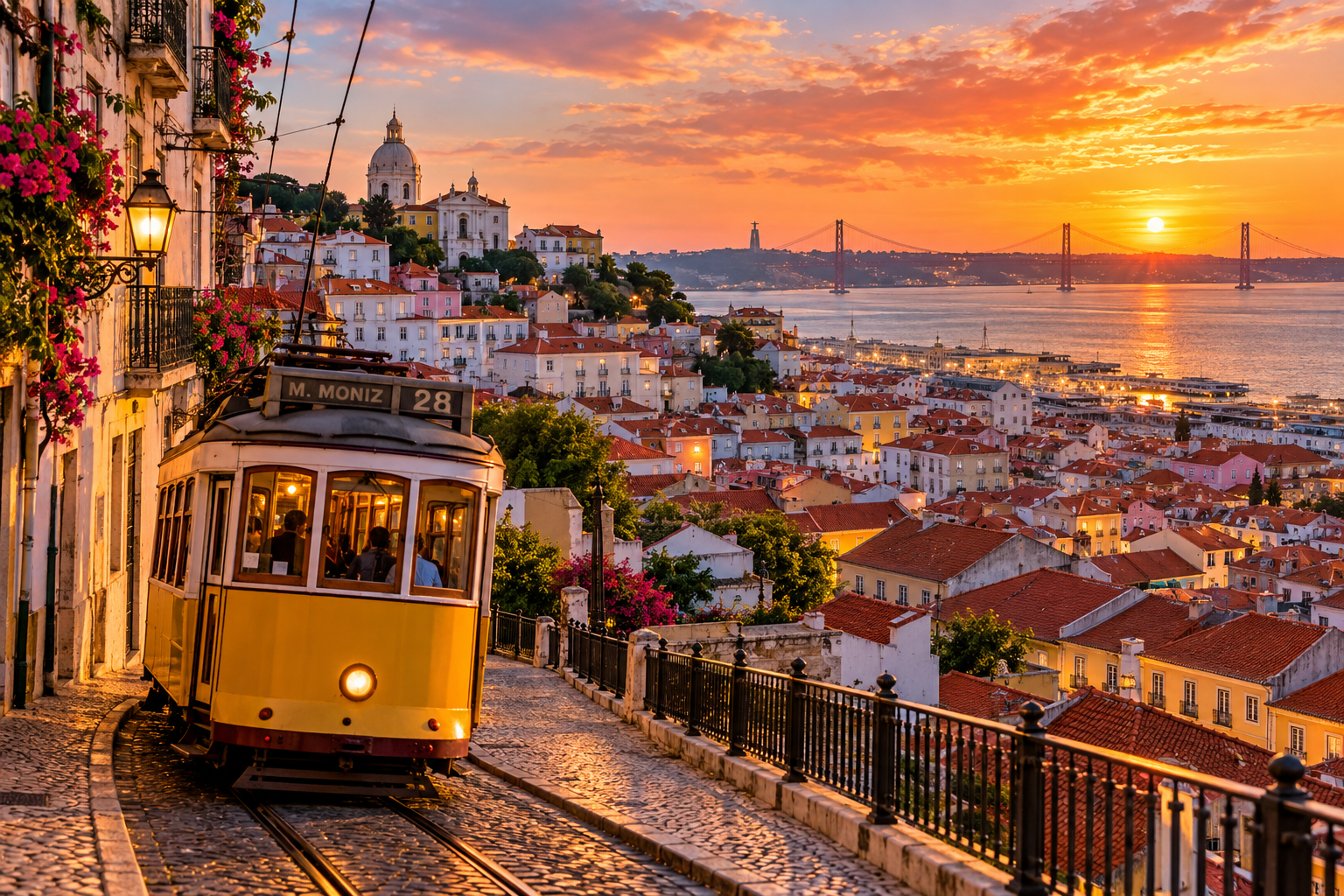
On the final evening, climb—or sensibly ride—back toward a viewpoint. Lisbon will look calmer from above than it felt from street level. The tram bells, steep lanes, seafood lunches, fado rooms and late-night detours compress into one glowing city beside the river.
You may have arrived thinking the seven hills were a sightseeing challenge. They are really the mechanism that keeps revealing Lisbon from a new angle. Every climb changes the skyline. Every descent offers another café, square or reason not to follow the original plan.
That is the useful version of a bad decision here: stay for the song, order the fish, take the tram instead of proving something, watch one more sunset and accept that the shortest route was never going to be the best story.
MAKE THIS STORY YOUR TRIP
Build Your Lisbon Trip
As an Amazon Associate I earn from qualifying purchases.
Build Your Lisbon Trip
Everything you need to plan, book and enjoy your Lisbon escape.
Search flights to Lisbon
EXPLORE →Find hotels in Lisbon
EXPLORE →Book top experiences
EXPLORE →Travel Essentials
SEARCH ESSENTIALS →ⓘ As an Amazon Associate I earn from qualifying purchases.
Friendly Advice for Lisbon
Local etiquette: A friendly bom dia (“good morning”) or boa tarde (“good afternoon”) is appreciated when entering a small shop or starting an interaction. Lisbon is used to visitors, but residential neighborhoods such as Alfama still deserve normal neighborhood manners: keep late-night noise down, do not block doorways and ask before photographing people.
Tipping and service norms: Tipping is appreciated rather than compulsory. For good restaurant service, rounding up or leaving roughly 5–10% is common when a service charge has not already been included. Small tips for especially helpful taxi drivers or hotel staff are optional.
Common hassles: Crowded trams and busy tourist areas can attract pickpockets, so keep phones and wallets secure and avoid leaving valuables loose in easy-access pockets. Around restaurants, check menus and prices before ordering, especially seafood sold by weight. Ignore unsolicited offers of illegal drugs or other street approaches and keep moving.
Practical reminders: Lisbon uses the euro. Comfortable shoes with grip matter because the city's beautiful calçada stone paving can be steep and slippery, especially when wet. Public transport is useful for the hills, and summer sun can be strong, so carry water and sun protection.
Enjoy it properly: Spend reasonably on the things Lisbon does memorably well: a good seafood meal, a genuine fado evening, a riverfront afternoon or an experience that saves you from turning the trip into a hill-climbing contest. Relax, smile, linger at the viewpoint, order the tart and have fun. The best Lisbon stories usually contain at least one plan you happily abandoned.
Lisbon was only one wrong turn.
There are plenty more. Choose another Trax5 story and see where you end up.