
Cafecito to 2 A.M.
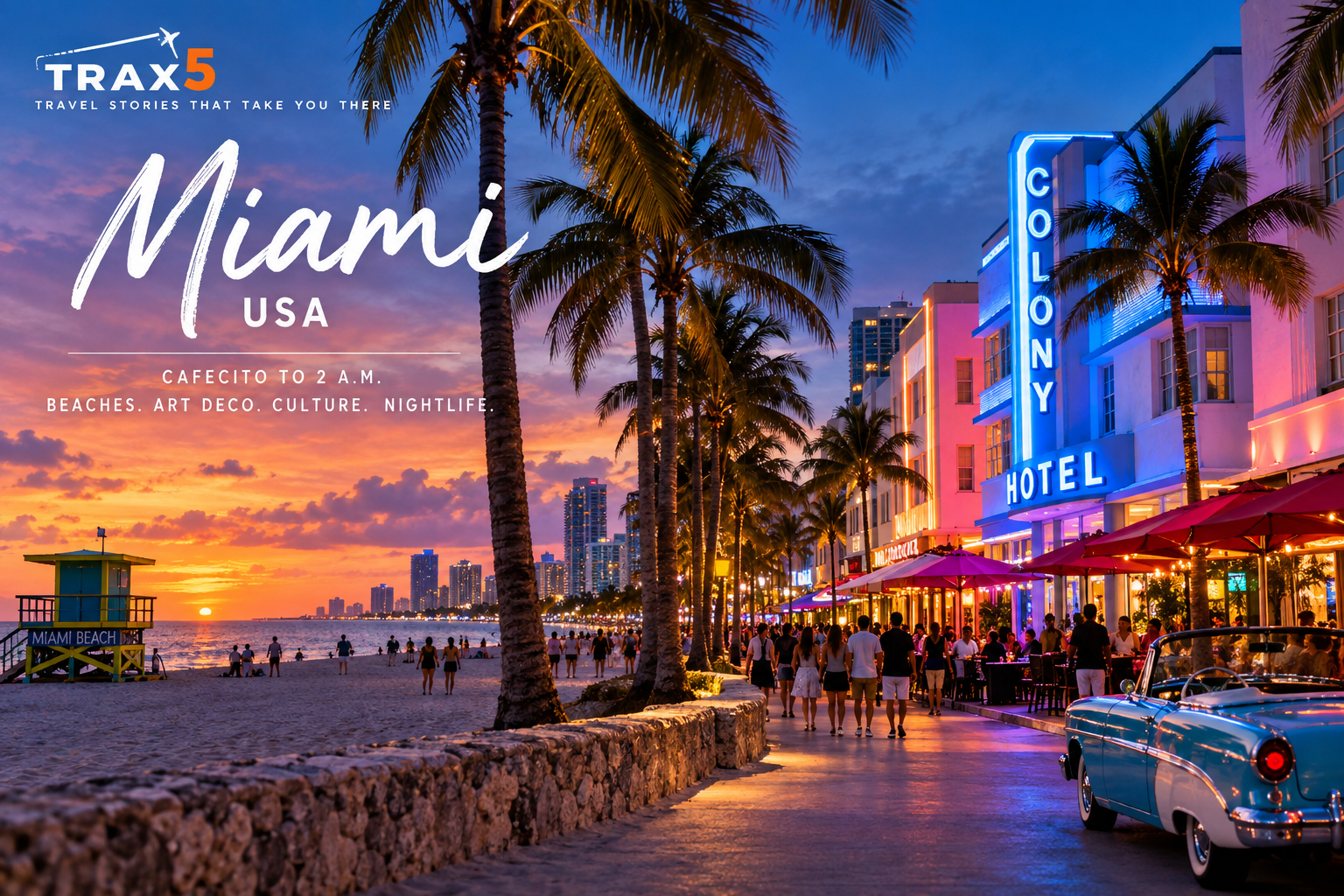
Miami starts with a tiny cup of Cuban coffee and somehow ends at 2 A.M. under neon. In between: Calle Ocho conversations, Atlantic water, pastel Art Deco, murals, Cuban food, sunset and a city that treats daytime and nightlife as two halves of the same story.
The Day Starts in a Cup Smaller Than Expected
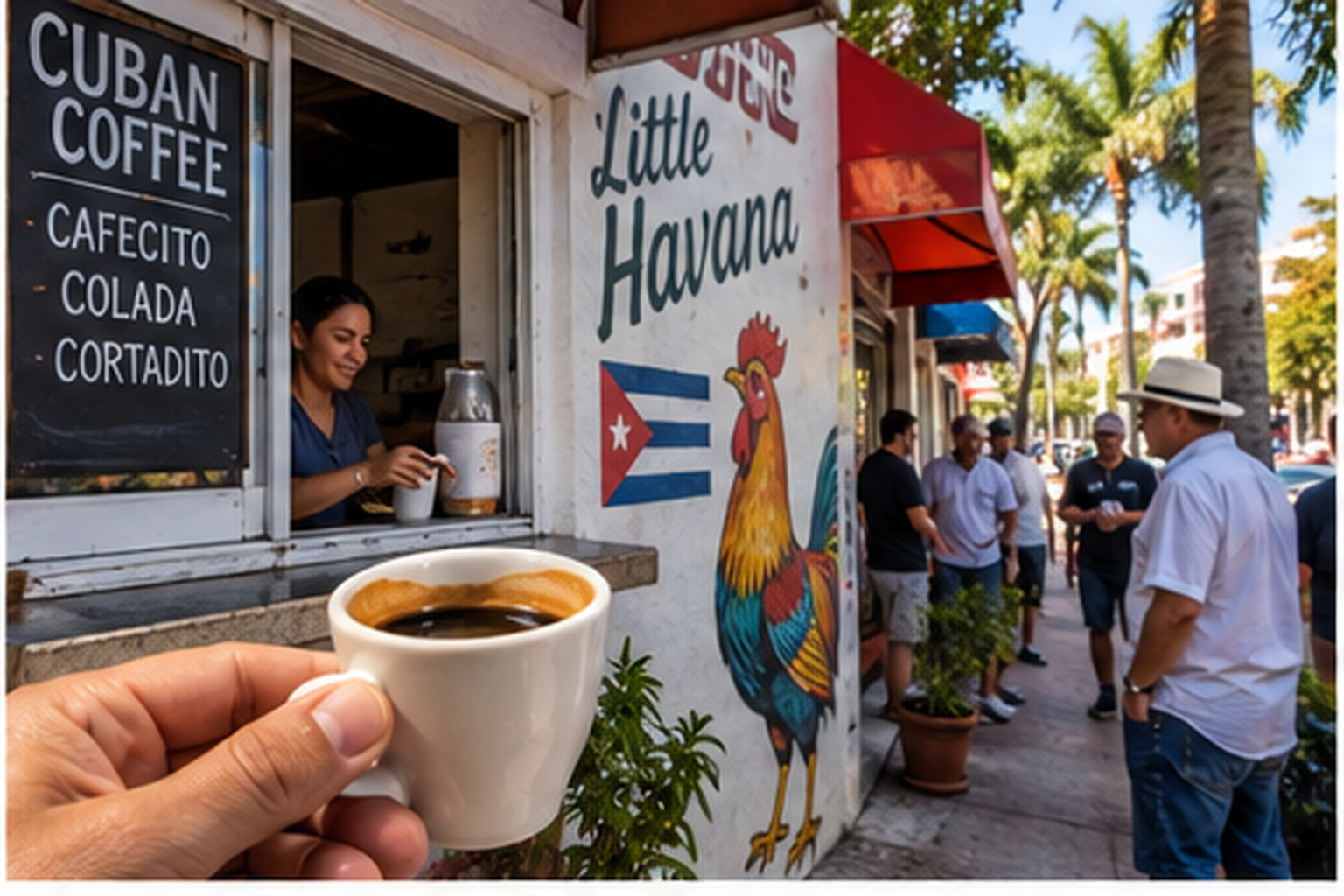
Miami makes more sense after your first cafecito. This is Cuban-style espresso served strong and sweet, often in a cup so small that first-time visitors underestimate it. Order at a ventanita — literally a “little window,” the walk-up coffee windows that are part of everyday Cuban Miami — and watch the morning happen around you.
In Little Havana, coffee is not only caffeine. It is a reason to stop, talk and catch up. You may hear Spanish first, English second, and both in the same conversation. A simple buenos días means good morning; gracias means thank you.
Pair the coffee with a pastelito, a flaky Cuban pastry often filled with guava, cheese or both. Suddenly the title of the trip is already working: cafecito now, 2 A.M. later.
Little Havana Is Not a Theme — It Is a Neighborhood
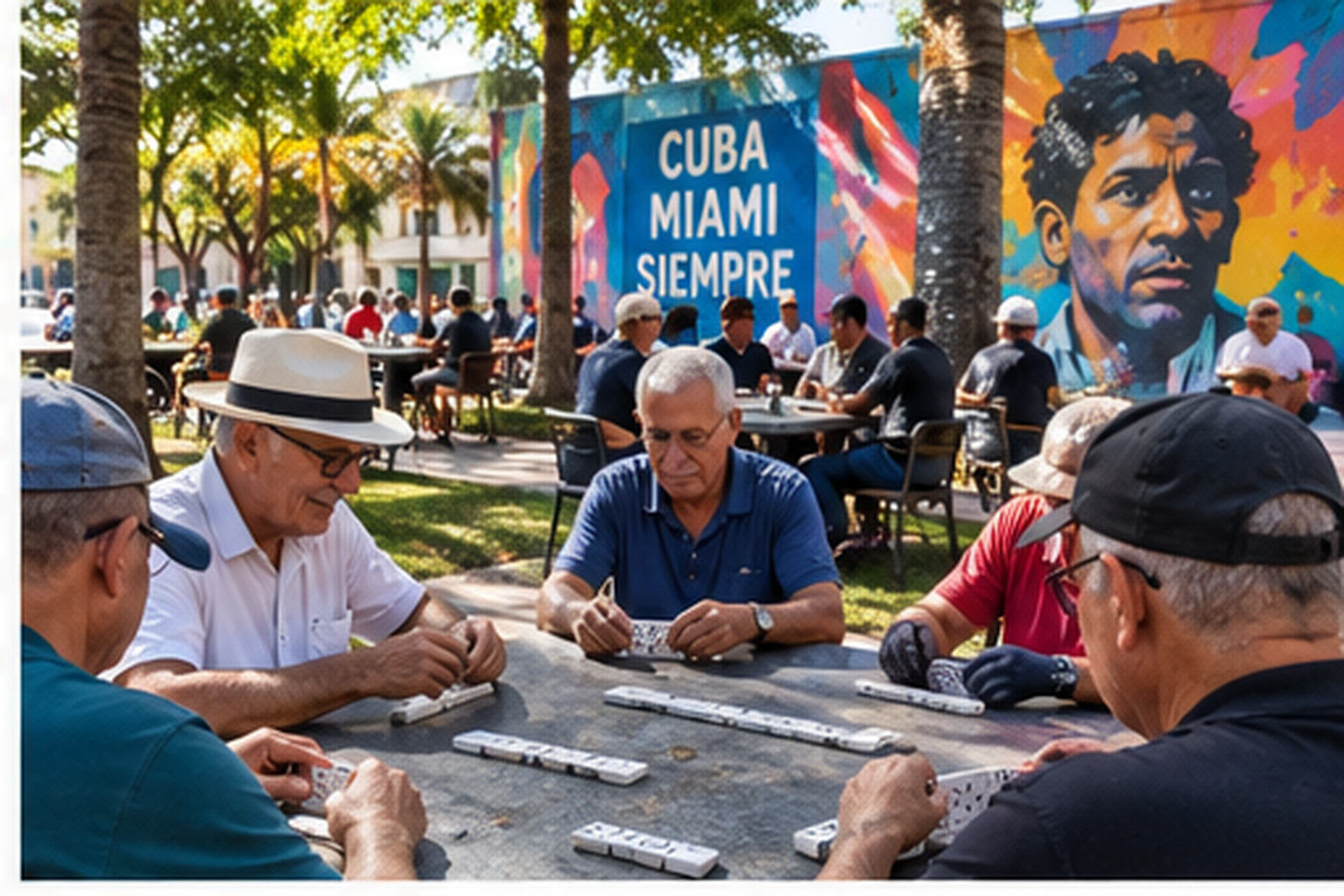
Walk Calle Ocho — Southwest 8th Street — and Miami's Cuban identity moves from background to foreground. Bakeries, cigar shops, murals, music, restaurants and small businesses turn the street into something more interesting than a checklist of attractions.
At Máximo Gómez Park, better known as Domino Park, local players gather over serious games of dominoes. Watch respectfully rather than treating the tables like a photo prop. The pleasure is in the concentration, the banter and the feeling that you have stepped into a routine that existed long before your vacation.
Take time for the murals and the stories behind them. Miami's Cuban community was shaped by waves of migration, family memory and political history. You do not need to master that history in an afternoon; you do need to remember that Little Havana is a living community, not a stage set.
Then Miami Gives You the Beach You Came For
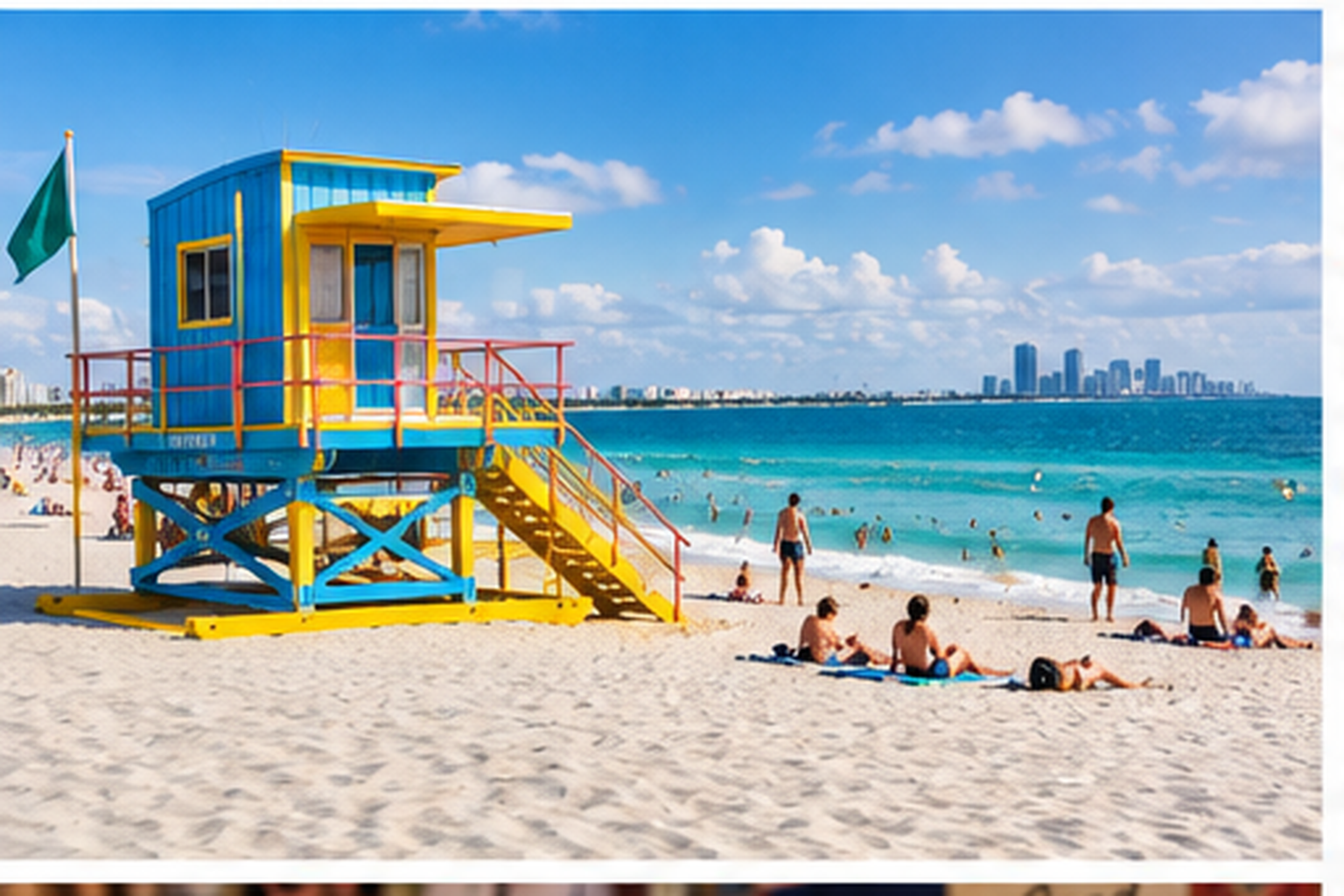
Cross toward Miami Beach and the city changes temperature, color and pace. South Beach delivers the familiar Miami image — palms, bright lifeguard towers, pale sand and Atlantic water — but it is better when you stop trying to photograph it every thirty seconds.
Give the beach actual time. Swim when conditions are safe, walk the shoreline, or continue toward South Pointe for water views and passing boats. Sunscreen, water and shade matter in South Florida even when the breeze makes the heat feel easy.
The beach is also a useful reset. Little Havana gave you culture at street level; the Atlantic gives you space. Miami works because those experiences can happen before lunch and after lunch on the same day.
Ocean Drive Looks Better When the Lights Come On
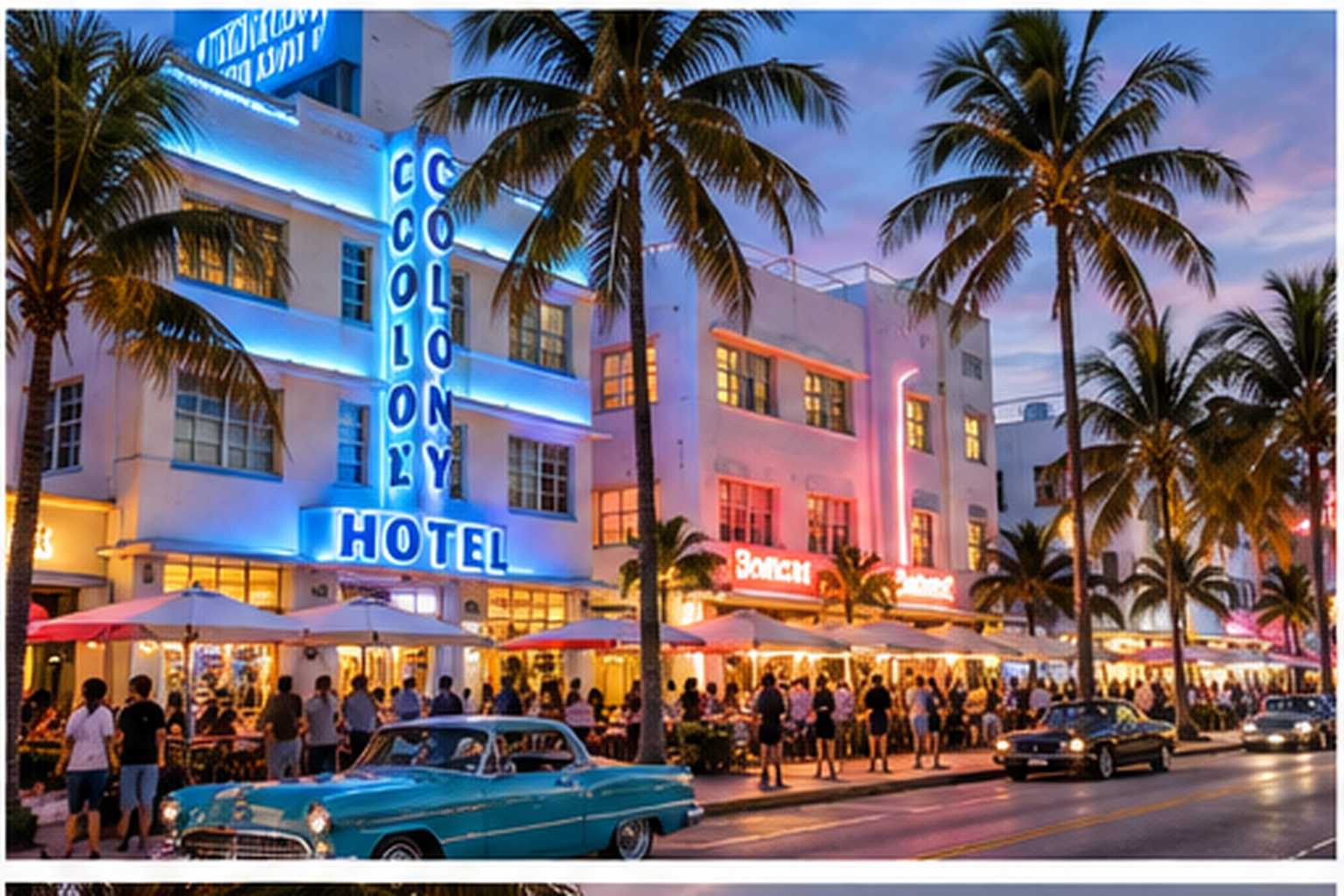
South Beach's Art Deco architecture is not just decoration around the beach. The historic district is one of Miami's visual signatures: streamlined facades, geometric details, curved corners, stepped rooflines, pastel colors and neon that becomes more dramatic as daylight fades.
Walk Ocean Drive slowly, then wander toward Collins Avenue and Washington Avenue. Look up instead of only across. The details are the story — eyebrow window shades, porthole shapes, decorative reliefs and buildings designed in an era when modernity itself looked glamorous.
Late afternoon into early evening is the transition worth catching. Pastel becomes neon, beachwear becomes dinner clothes, and Miami begins changing shifts.
The Art Gets Too Big for a Gallery
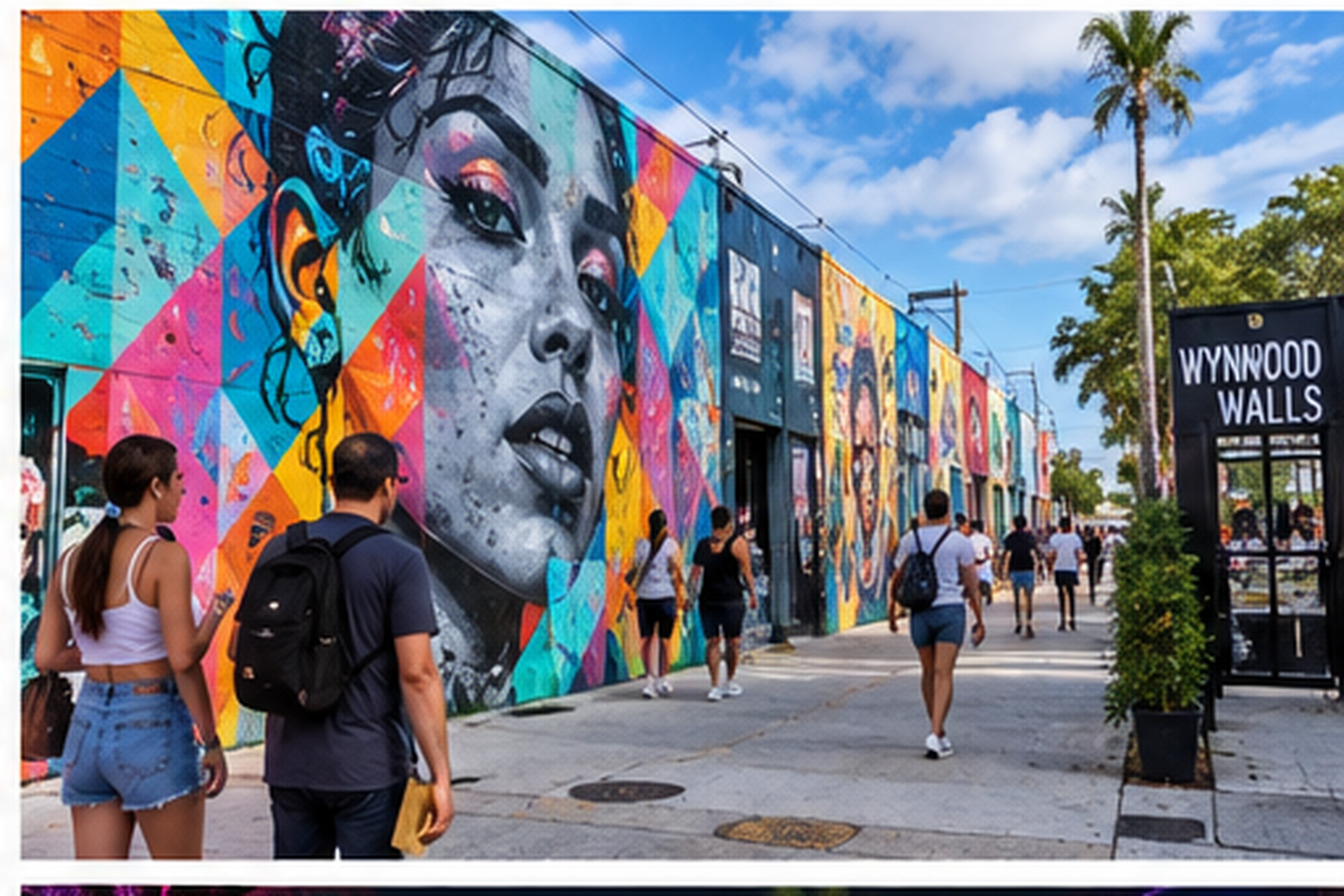
Back on the mainland, Wynwood changes the visual language again. Warehouses became canvases, murals became landmarks, and an industrial district grew into one of Miami's best-known art neighborhoods.
Wynwood Walls is the obvious anchor, but the experience works best when you also walk the surrounding streets and notice how art spills across storefronts, alleys and entire building faces. Galleries, cafés, restaurants and shops fill the spaces between murals.
Do not rush through only collecting photos. Pick one piece that actually holds your attention. Read the artist information when available. Miami's creative identity is broader than the postcard version of beaches and palm trees, and Wynwood makes that impossible to miss.
Lunch Needs Pork, Pickles and Something Crispy
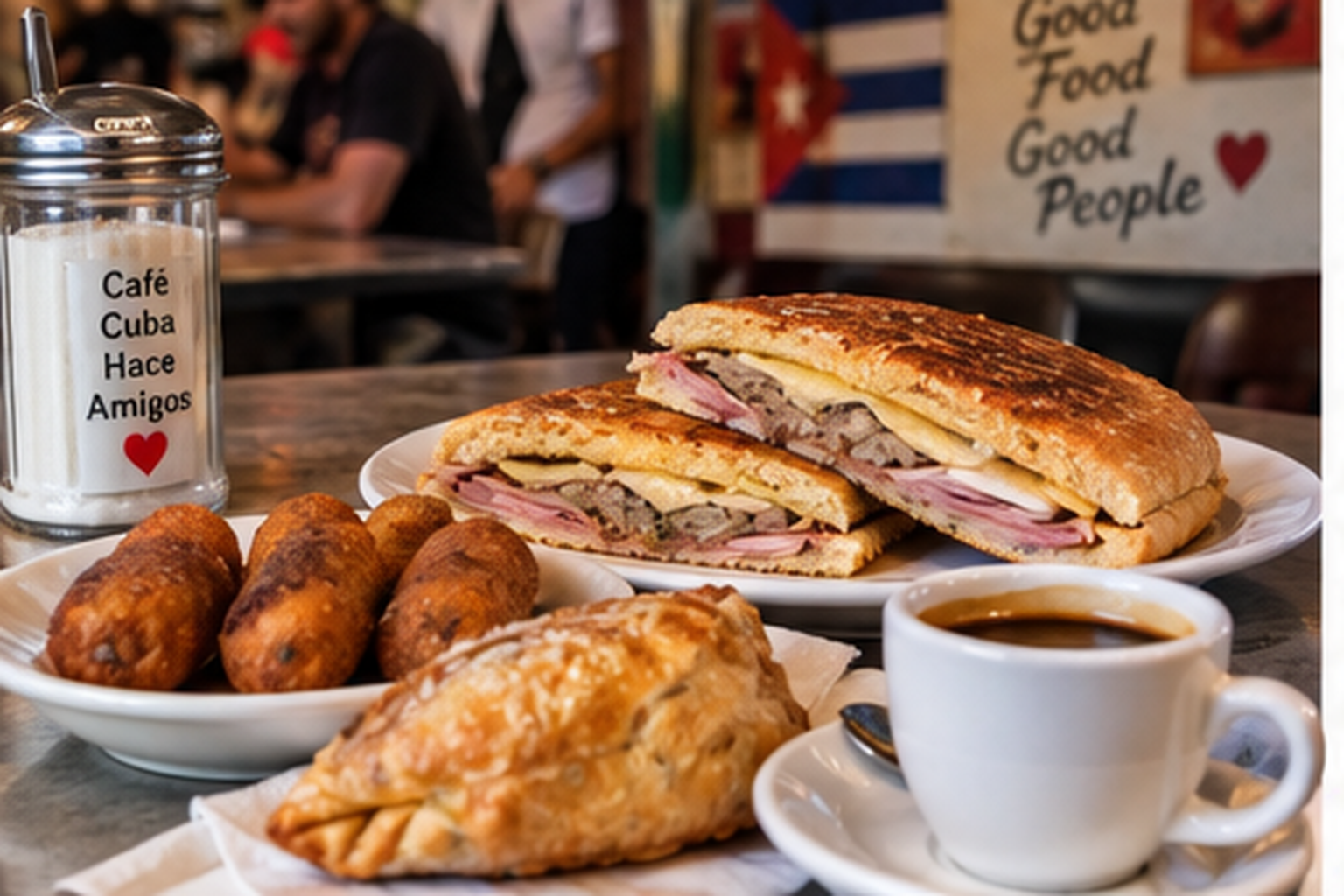
Now give Cuban Miami a full meal. A classic Cuban sandwich layers roast pork, ham, Swiss cheese, pickles and mustard inside pressed bread. Add croquetas — crisp breaded cylinders with a creamy savory filling, often ham — and you have a lunch that does not need reinvention.
Other dishes are worth slowing down for. Ropa vieja literally means “old clothes,” but the name refers to strands of shredded beef cooked until deeply flavorful. Lechón is roast pork. Yuca is cassava, a starchy root often served with garlicky citrus mojo sauce.
Miami is a global food city, so leave room beyond Cuban cuisine too. Caribbean, Latin American, seafood and newer chef-driven restaurants all belong to the same trip. The mistake is not choosing the “wrong” restaurant; it is wasting a Miami meal on something you could eat anywhere.
Sunset Is the Pause Before Miami's Second Shift
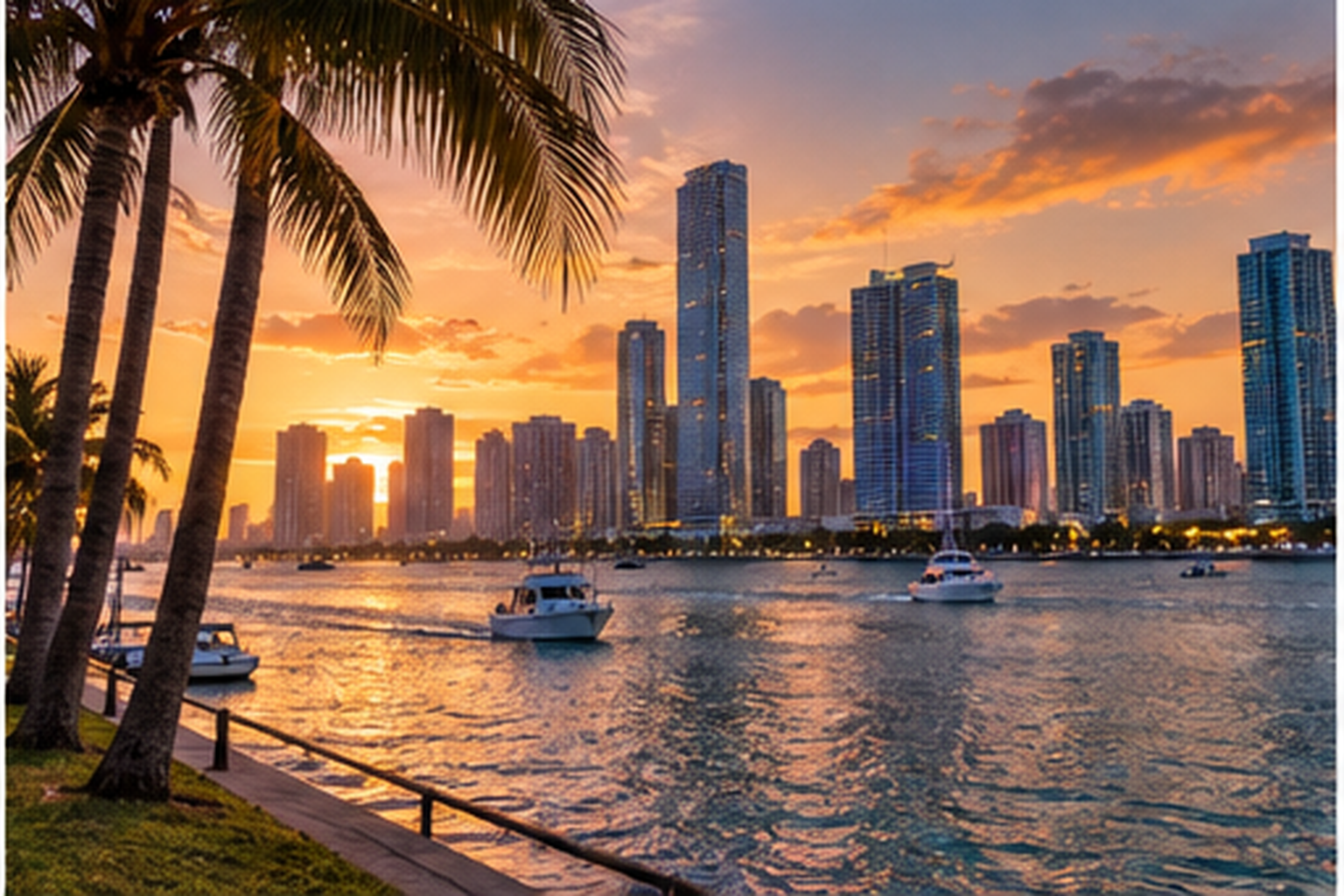
Before nightlife takes over, find water again. Biscayne Bay, a waterfront park, a causeway view or the southern end of Miami Beach can all deliver the moment: palms in silhouette, towers catching orange light and boats cutting across the last bright part of the day.
This is when the geography finally clicks. Miami is not one compact downtown surrounded by attractions. It is a collection of neighborhoods and waterfronts separated by real distance, bridges and traffic. Build your days by area instead of bouncing back and forth across the map.
Sunset is also your reminder not to overschedule. Go back, shower, change, rest for an hour. Miami at night is more fun when you did not exhaust yourself trying to win the daytime.
After Dark, Pick Your Version of Miami
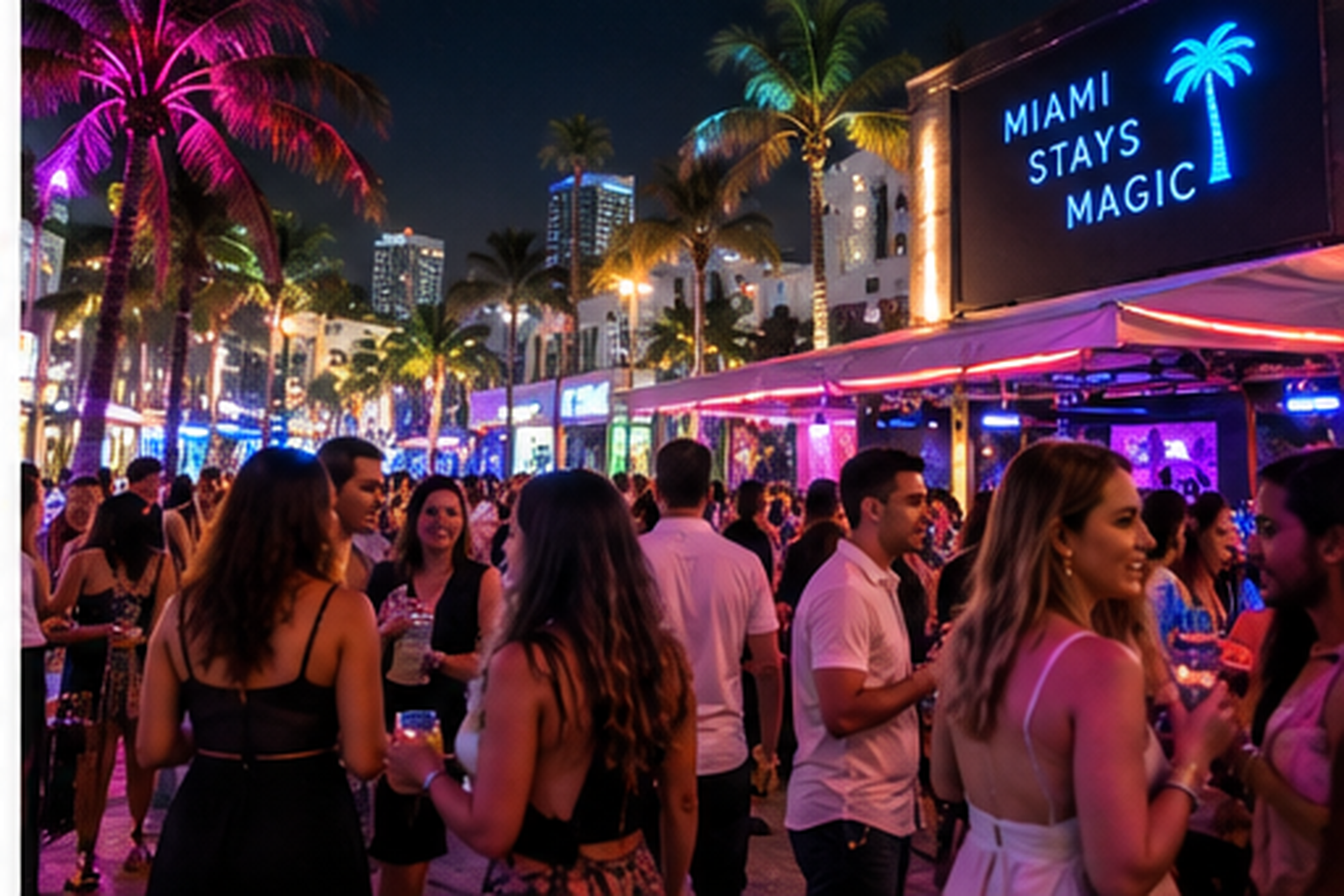
Miami nightlife is not one scene. South Beach has the famous clubs and neon energy. Wynwood offers bars, music and a more art-district feel. Downtown and Brickell bring rooftops, lounges and skyline views. Little Havana can keep the Cuban thread going with live Latin music and salsa.
Choose the night you actually want instead of the night you think Miami requires. That might mean a major club, a mojito and live band, a rooftop drink, dancing, or simply walking Ocean Drive after the buildings light up.
And then, somewhere around 2 A.M., remember the tiny coffee that started all of this. Miami has spent the day changing outfits without changing personality: Cuban, tropical, glamorous, artistic, loud, relaxed and awake. Cafecito to 2 A.M. was not a slogan. It was the itinerary.
A Four-Day Miami Escape
Give Miami enough time to experience Cuban culture, the beach, Art Deco, Wynwood, serious food and at least one late night without spending the whole trip crossing town.
Little Havana
Start with cafecito and a pastelito, walk Calle Ocho, watch dominoes, explore Cuban culture and stay for a proper Cuban meal and live music.
South Beach & Art Deco
Spend real time on the beach, walk South Pointe, explore the Art Deco district and watch Ocean Drive turn from pastel to neon.
Wynwood & the Bay
Explore murals and galleries in Wynwood, eat well, then find a waterfront sunset before choosing a relaxed bar or rooftop.
Slow Day, Late Night
Revisit the beach or a favorite neighborhood, save energy after sunset and finish with the Miami nightlife experience that fits you best.
Build Your Miami Trip
Everything you need to plan, book and enjoy your Miami escape.
Find Flights
Compare flight options and fares for your trip to Miami.
SEARCH FLIGHTS →Find a Place to Stay
Compare hotels and stays for your Miami trip.
SEARCH STAYS →Book Top Experiences
Explore Miami food tours, Art Deco walks, boat trips, neighborhood experiences and more.
BOOK EXPERIENCES →Travel Essentials
Useful travel essentials for the journey.
SEARCH ESSENTIALS →ⓘ As an Amazon Associate I earn from qualifying purchases.
A Few Things Worth Knowing in Miami
Miami is multilingual and deeply shaped by Caribbean and Latin American communities. Spanish is common, especially in Little Havana, but English is widely usable. Be respectful when photographing people, domino players, artists or workers, and remember that cultural neighborhoods are communities first and visitor attractions second.
At full-service restaurants and bars, tipping around 18–20% is common when gratuity is not already included. Check the bill carefully because some Miami Beach restaurants and nightlife venues add a service charge or automatic gratuity; do not accidentally tip twice unless you intend to add more.
In heavily visited areas, confirm menu prices, beach-chair or umbrella costs, parking rates and any cover charge before committing. Keep normal city awareness around phones, wallets and bags, especially in crowds and late at night, and use reputable transportation when moving between nightlife areas.
Miami is spread out, traffic can consume more time than expected, and heat, humidity and sudden rain can change the day. Group activities by neighborhood, carry water and sunscreen, leave buffer time for reservations, and check beach conditions and weather before heading onto the water.
Spend reasonably on the Miami experiences that are genuinely worth it — a memorable Cuban meal, a good Art Deco or food tour, a comfortable stay and the nightlife experience you actually want. Then relax, smile, enjoy the beach, order the cafecito and let the city stay up later than you planned.
Miami was only one wrong turn.
There are plenty more. Choose another Trax5 story and see where you end up.