
Seoul Doesn't Sleep

Seoul does not make you choose between old and new. It gives you palace courtyards in the morning, sizzling Korean barbecue after dark, market alleys full of steam, karaoke rooms at midnight and a neon skyline that seems completely uninterested in bedtime.
Chapter 01 — Seoul Starts Before You Are Ready
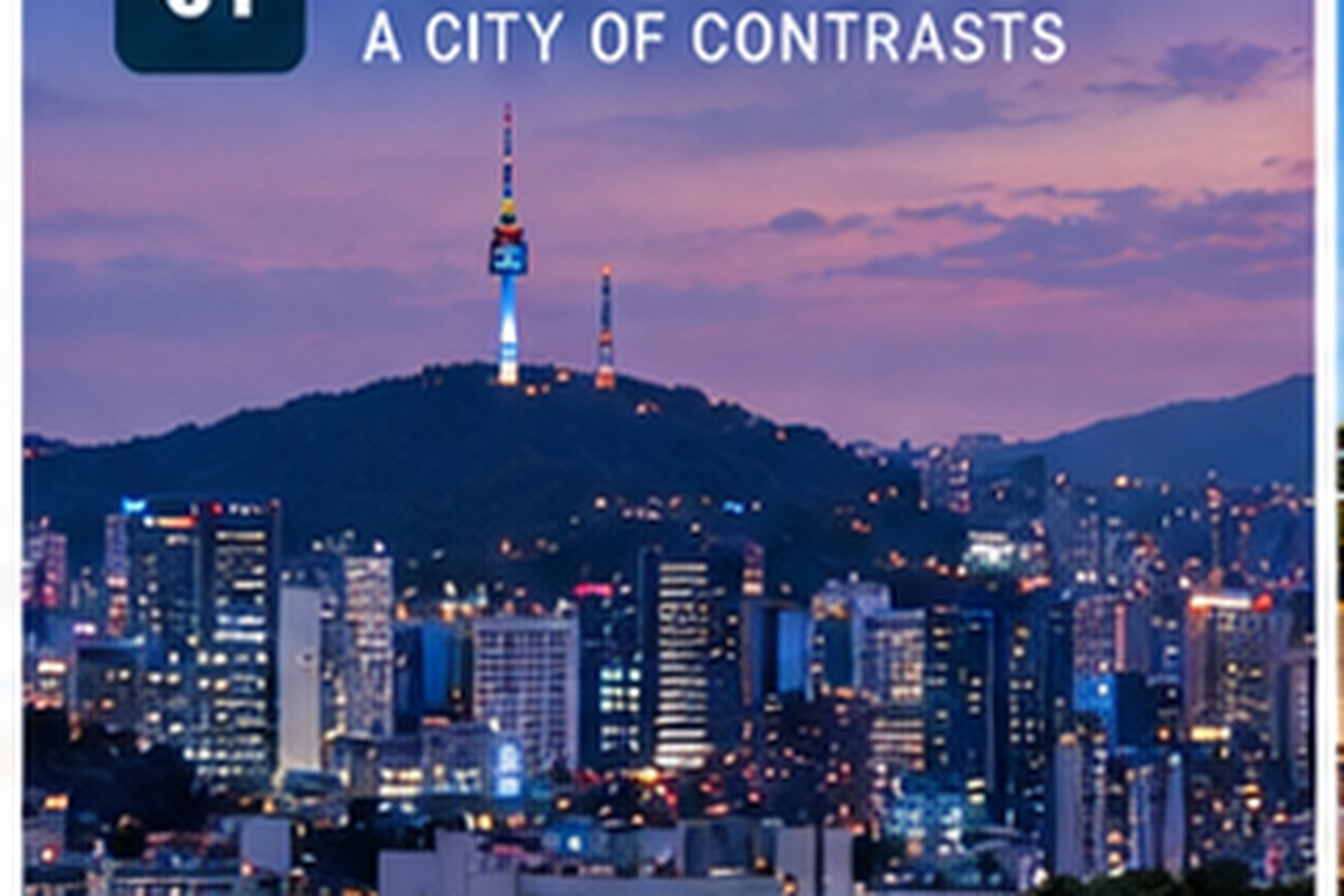
The first surprise is scale. Seoul stretches across the Han River in layers of apartment towers, wooded hills, office districts, shopping streets, old neighborhoods and subway lines that seem capable of delivering half the country to the same intersection.
Then the details begin slowing you down: a tiny coffee shop beneath a glass tower, a temple roof appearing between buildings, office workers moving with purpose, delivery scooters threading through side streets and N Seoul Tower watching from Namsan like a glowing punctuation mark.
Learn one word immediately: annyeonghaseyo means “hello” in polite everyday Korean. You do not need perfect pronunciation. A respectful greeting, a small bow of the head and a smile make the first interactions much easier.
Seoul feels futuristic until you notice how much history is still standing inside it. That contrast becomes the rhythm of the entire trip.
Chapter 02 — Walk Into Royal Seoul
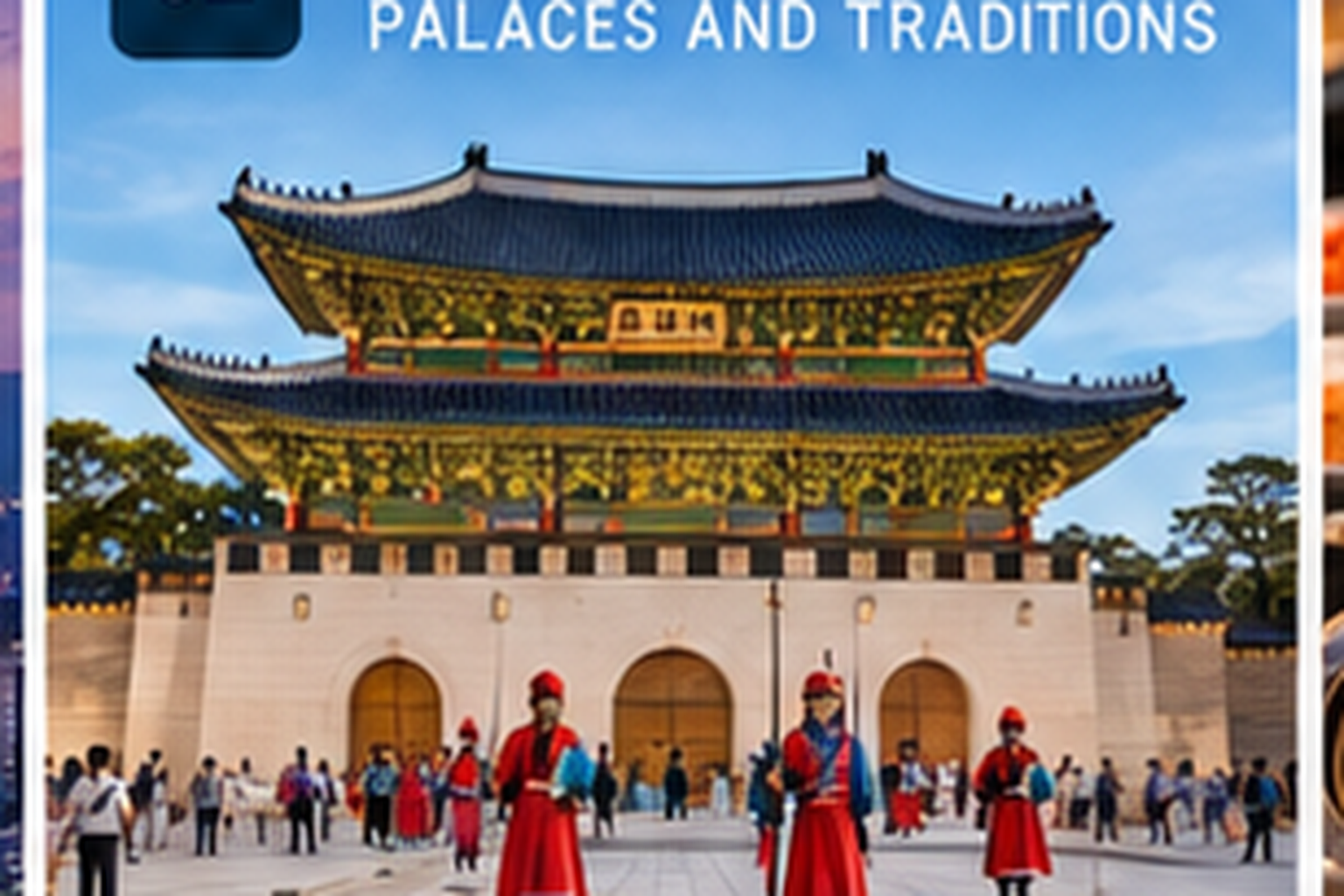
Gyeongbokgung Palace changes the volume. Beyond the gates, broad courtyards, painted wooden halls and mountain views replace the compressed energy of modern Seoul. The city is still around you, but for a while it feels much farther away.
Gyeongbokgung was the principal royal palace of the Joseon dynasty, and it remains one of the clearest places to understand the ceremonial architecture of historic Korea. Arrive early when the courtyards are calmer, then walk toward nearby Bukchon and Insadong rather than treating the palace as an isolated attraction.
You will see visitors wearing hanbok, traditional Korean clothing recognizable by its flowing shapes and bright colors. Rental shops make it easy for travelers to wear hanbok while visiting palace areas; do it respectfully and the experience can make the architecture feel less like a museum backdrop and more connected to living culture.
By lunch, you can be back among cafés, traffic and convenience stores. Seoul has already moved several centuries forward without asking permission.
Chapter 03 — Follow the Steam Into the Market
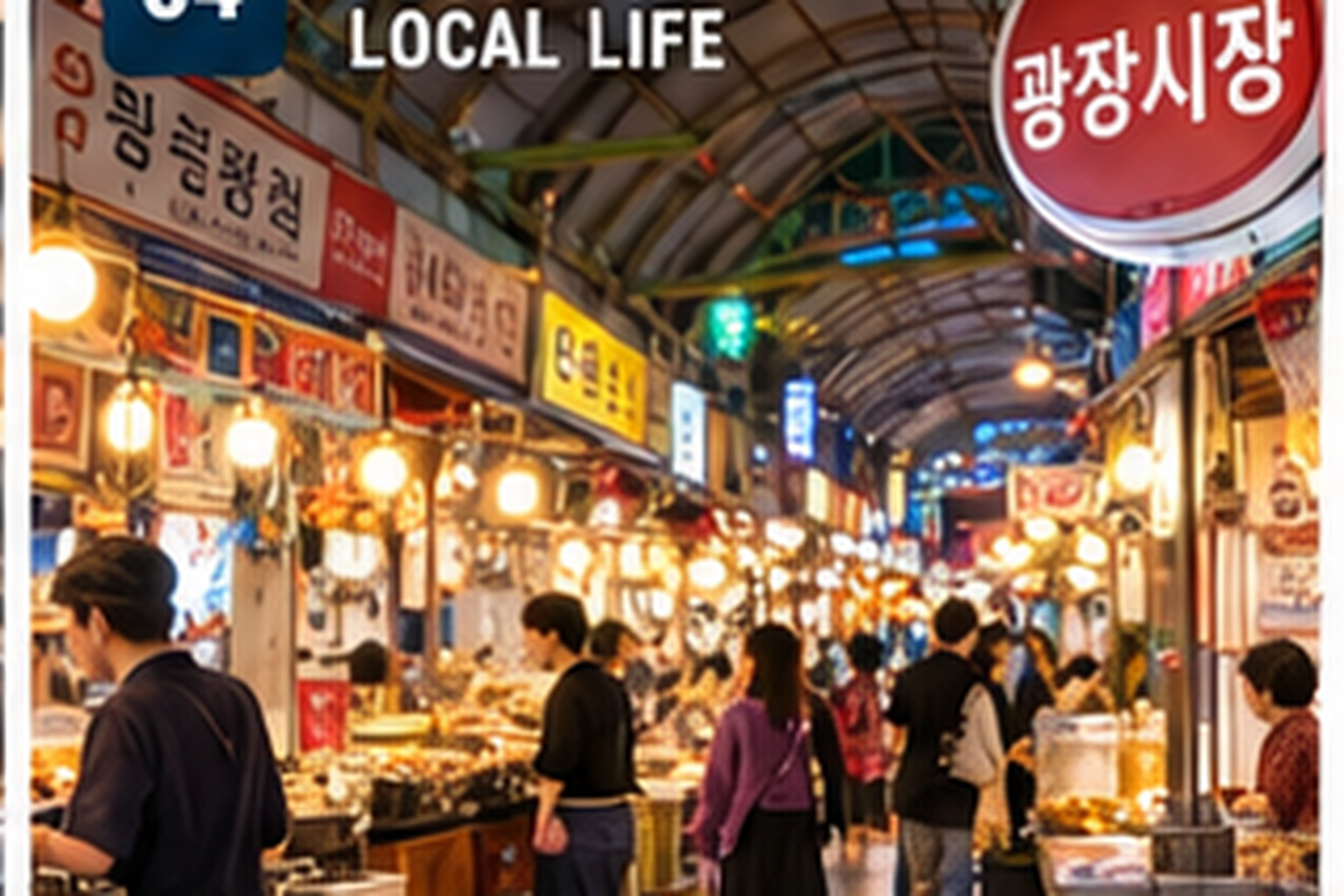
Gwangjang Market is where careful sightseeing gives way to appetite. Metal counters, hanging signs, sizzling pans and narrow aisles turn lunch into a contact sport for your senses.
Try bindaetteok, a crisp mung-bean pancake cooked on a griddle, or mayak gimbap, small seaweed rice rolls served with a punchy dipping sauce. You may also find tteokbokki, chewy rice cakes in a sweet-spicy red sauce that looks more dangerous than it usually is.
The best approach is not to hunt for one famous stall. Walk first. Watch what is being cooked, notice where locals are eating, then sit down and point if language fails. Markets reward curiosity more than precision.
Keep small purchases moving and avoid blocking narrow aisles for photographs. This is a visitor attraction, but it is also a working market.
Chapter 04 — Korean BBQ Is Dinner With Special Effects
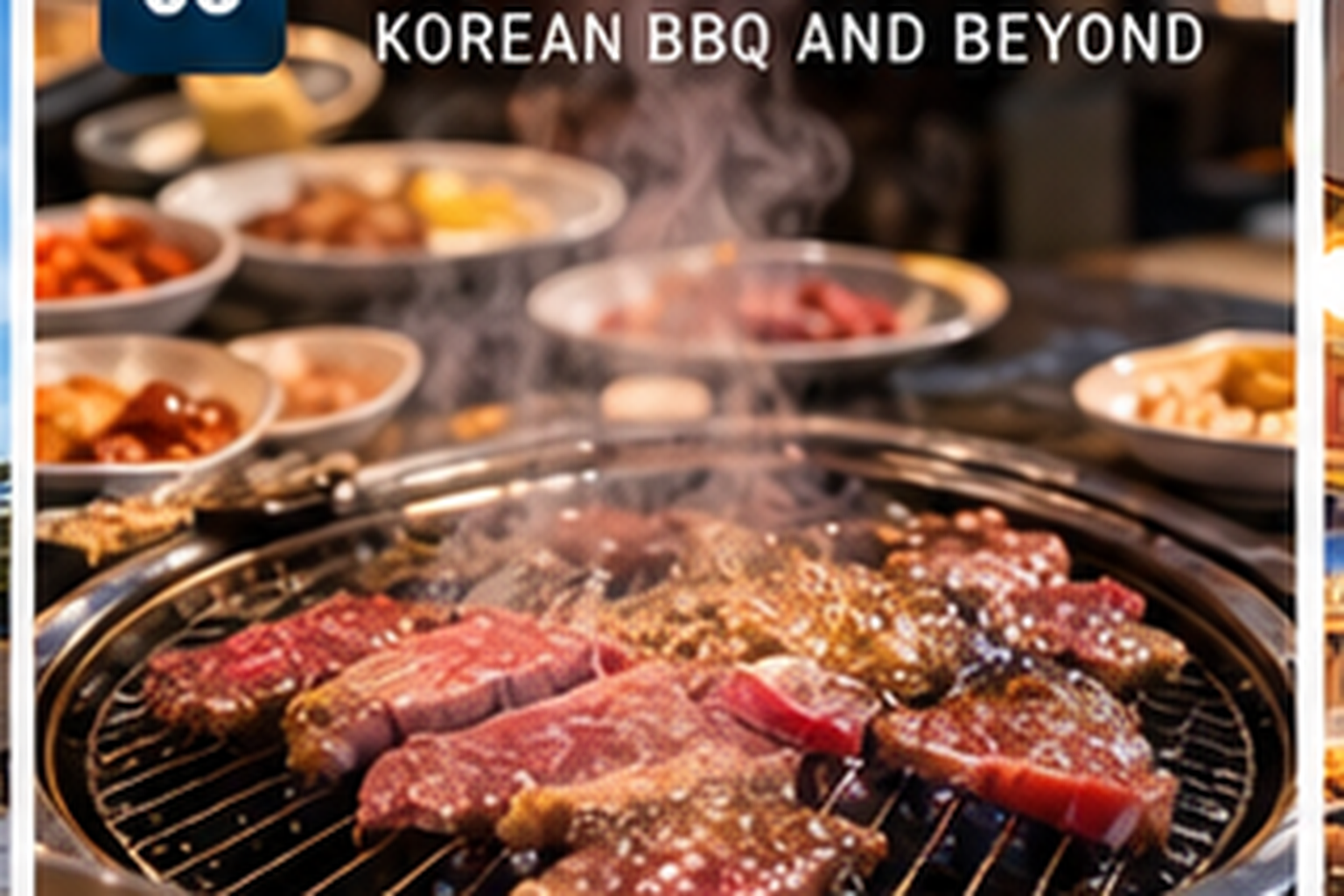
Korean barbecue begins with fire and immediately becomes social. Meat hits the grill, scissors appear, lettuce leaves become plates, and the table fills with banchan — small side dishes such as kimchi, pickled vegetables and seasoned greens.
Order samgyeopsal, thick slices of pork belly, or galbi, marinated ribs. Wrap a bite in lettuce with garlic, sauce and whatever side dish seems right. There is no prize for constructing the perfect wrap; the fun is in building the next one.
Many restaurants have strong ventilation, but barbecue smoke has ambition. Do not wear the one jacket you need to keep pristine for the rest of the trip.
This is also where Seoul becomes conversational. A neighboring table may demonstrate how to grill something, a server may quietly rescue your meat before you overcook it, and suddenly dinner has become part cooking lesson, part comedy and part cultural exchange.
Chapter 05 — Hongdae Has No Interest in Going Home
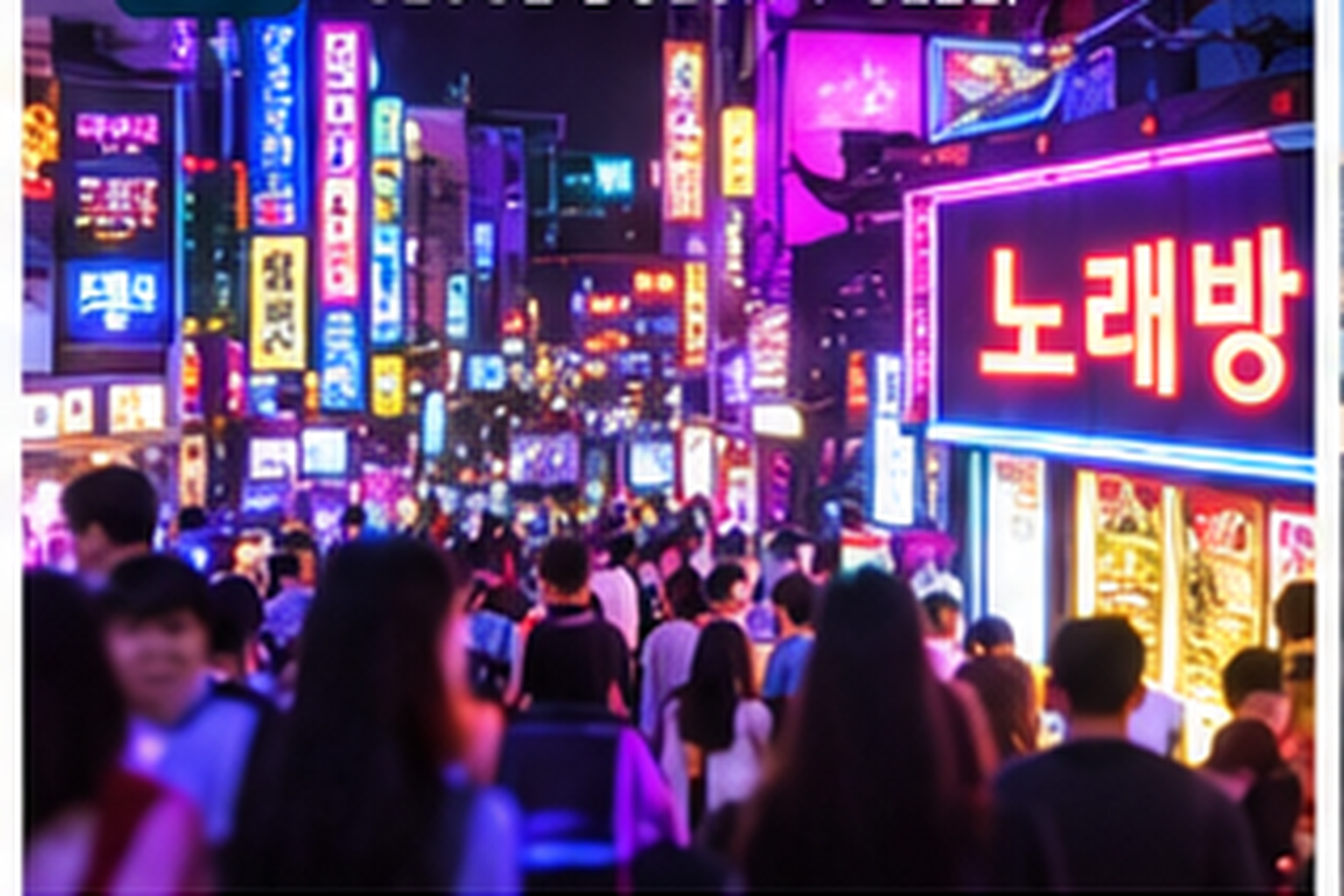
After dark, head toward Hongdae and watch Seoul change shifts. Students, musicians, shoppers and late-night diners fill streets washed in signs, storefront light and music escaping from upstairs rooms.
Eventually someone suggests noraebang — literally a “singing room,” Korea’s private-room version of karaoke. You rent a room with friends, choose songs from a giant catalog and discover that confidence matters considerably more than talent.
The important rule is participation. If everybody else has committed to a terrible power ballad, this is not the moment to become an observer.
Outside, the night continues with fried chicken, cafés, convenience-store snacks and restaurants that seem surprised anyone would consider closing early. Seoul does not simply have nightlife. It has a second daily schedule.
Chapter 06 — Find the Quiet Streets Between the Headlines
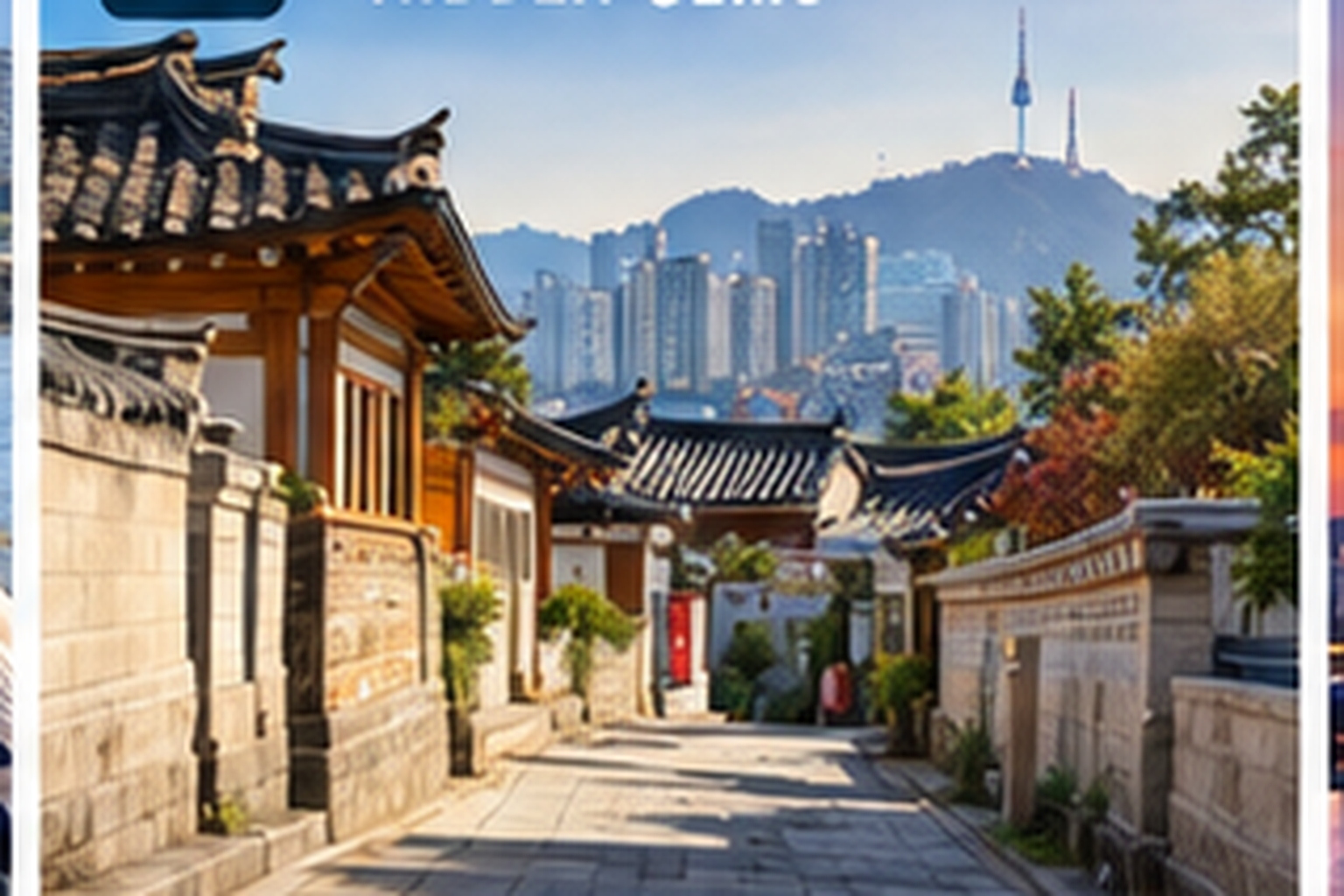
Seoul becomes more memorable when you stop chasing landmarks for a few hours. Wander the lanes around Bukchon Hanok Village, where traditional hanok houses use tiled roofs, courtyards and wooden details that feel almost impossible beside the modern skyline.
Continue toward Insadong for tea houses, crafts, galleries and shops where the pace is gentler. Traditional tea can be a useful reset after coffee-heavy mornings and chili-heavy lunches.
Remember that parts of Bukchon are residential. Keep voices down, respect posted access restrictions and do not treat doorways or private courtyards as photo sets.
Seoul's quieter neighborhoods reveal something the neon districts cannot: modernity here did not erase the old city. It grew around it, above it and sometimes directly beside it.
Chapter 07 — Give the Han River an Evening
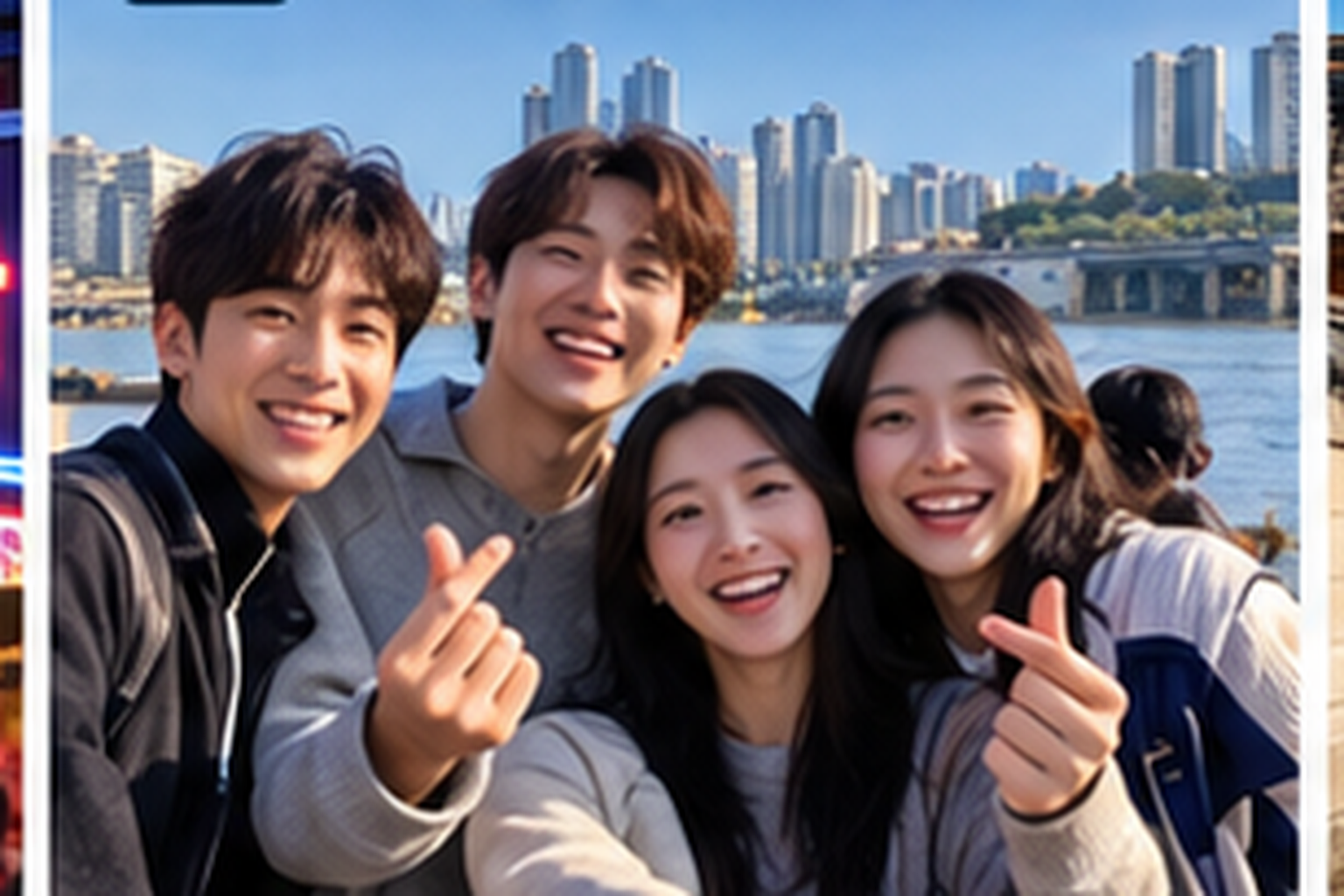
The Han River is Seoul's breathing room. Parks, bicycle paths and bridges cut through a metropolis that can otherwise feel permanently switched on.
Come near sunset. Walk the river, rent a bicycle if the weather cooperates, or simply sit with convenience-store snacks and watch office towers begin reflecting across the water.
This is an excellent place to understand an ordinary Seoul pleasure: doing very little in a very large city. Groups meet for food, couples walk, runners pass, and the skyline becomes entertainment without requiring a ticket.
Save some energy. Seoul is about to turn the lights all the way up again.
Chapter 08 — The City Keeps One More Night for You
Finish somewhere high or somewhere loud. Look across Seoul from Namsan, walk through Myeongdong beneath walls of signs, or return to a neighborhood where dinner can become dessert, dessert can become karaoke and karaoke can somehow become another meal.
By now the contradictions no longer feel contradictory. Royal gates and LED towers belong to the same city. So do quiet tea rooms and twenty-four-hour convenience stores, careful etiquette and joyful noise, centuries-old recipes and hyper-modern cafés.
Seoul does not sleep because there always seems to be another version of the city waiting for the current one to finish.
Have the late snack. Sing the extra song. Walk one more neon block. Tomorrow morning, the palace courtyards will still be there.
A Four-Night Seoul Escape
Four nights gives Seoul enough room for royal history, market food, Korean barbecue, neighborhood wandering, the Han River and at least one night when karaoke ruins your plan to go to bed early.
Royal Seoul & Old Neighborhoods
Start at Gyeongbokgung Palace, continue through Bukchon and Insadong, then settle into Seoul with a relaxed Korean dinner.
Market Lunch & Korean BBQ
Eat through Gwangjang Market, explore central Seoul and make Korean barbecue the main event of the evening.
Modern Seoul & Hongdae After Dark
Spend the day in modern shopping and café districts, then head to Hongdae for street energy, late food and a private noraebang karaoke room.
Han River, Namsan & One Last Neon Night
Slow down beside the Han River, catch a skyline view from Namsan and finish with Myeongdong lights, snacks and whatever Seoul convinces you to do next.
Build Your Seoul Trip
Everything you need to plan, book and enjoy your Seoul escape.
Book Flights
Compare flights to Seoul and choose the route and schedule that work best for your trip.
SEARCH FLIGHTS →Find the Best Stays
Find and compare places to stay in Seoul.
EXPLORE STAYS →Book Top Experiences
Discover Seoul food tours, palace experiences, neighborhood walks and other top activities.
EXPLORE EXPERIENCES →Travel Essentials
Search Amazon for useful travel essentials.
SEARCH ESSENTIALS →ⓘ As an Amazon Associate I earn from qualifying purchases.
Seoul was only one wrong turn.
There are plenty more. Choose another Trax5 story and see where you end up.