
Shanghai: Future in Fast-Forward
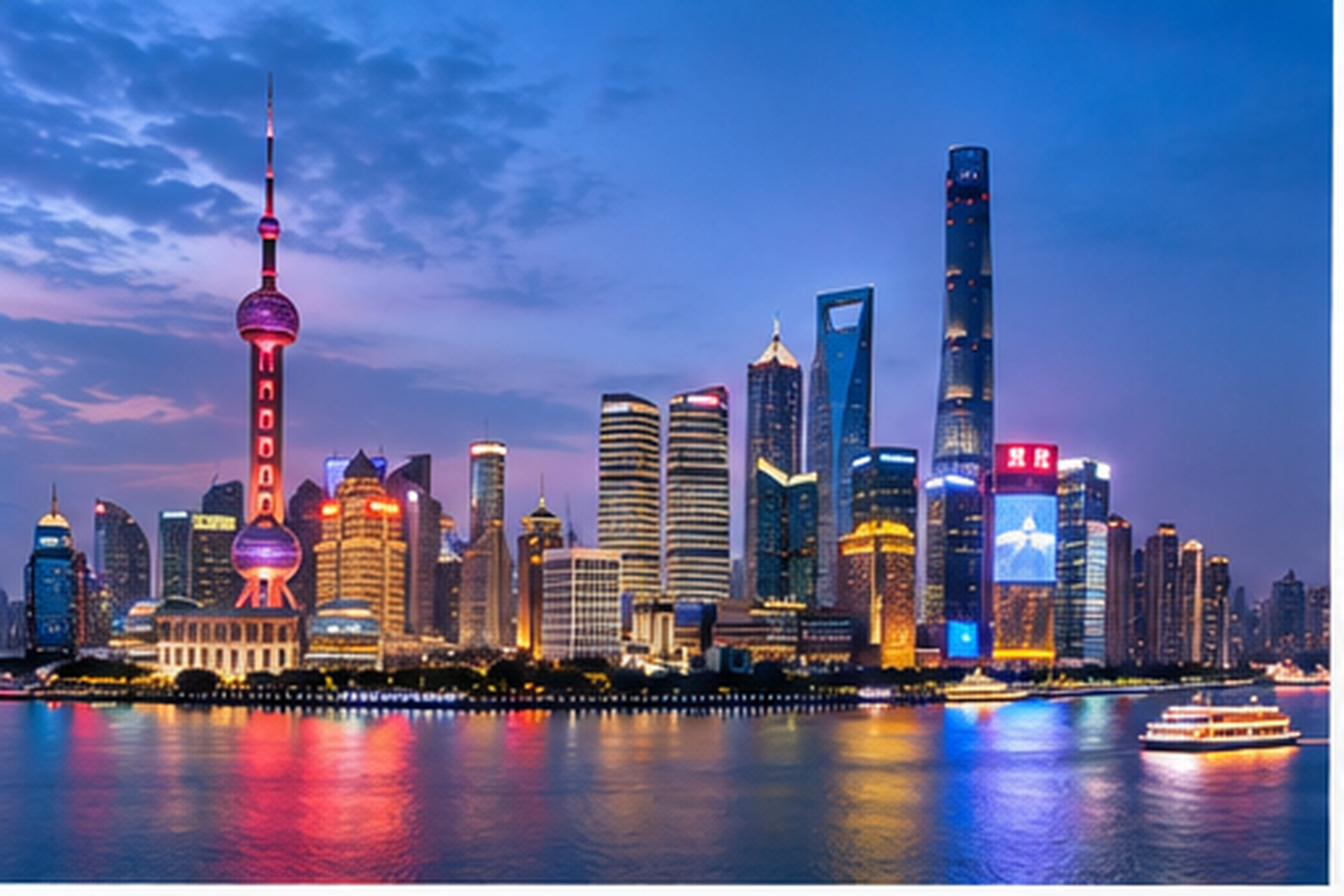
The Future Is Already Across the River
Shanghai does not ease you into the future. It puts it directly across the Huangpu River and turns on the lights.
Stand on the Bund at dusk and the city becomes a split-screen. Behind you are grand stone façades from Shanghai’s trading-port era; across the water, Pudong rises in glass, steel and LED color. The Oriental Pearl Tower looks playful, Shanghai Tower twists into the clouds, ferries cut across the river, and the whole skyline seems to have been designed by someone who refused to use the word “subtle.”
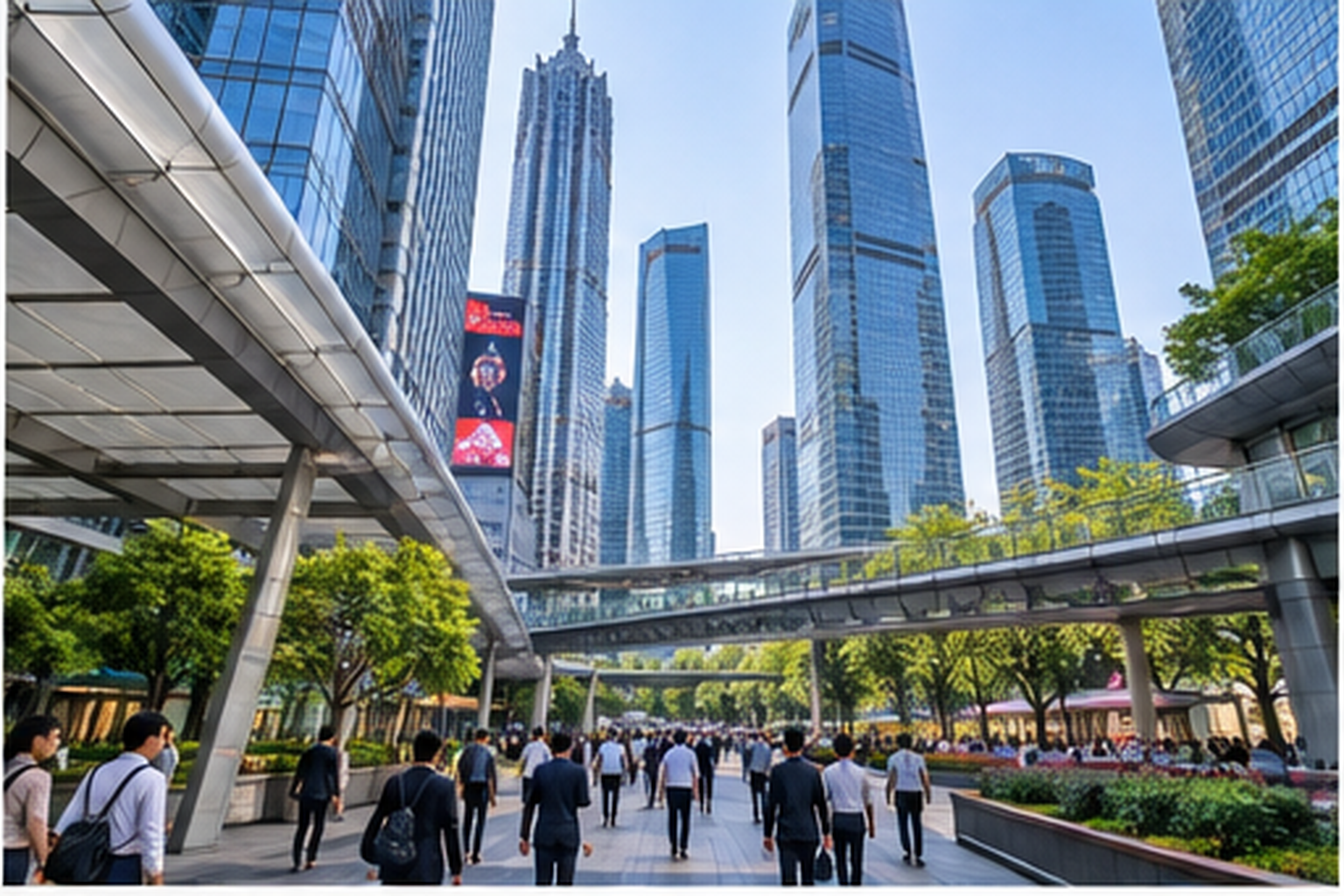
The shock is not simply that Shanghai is modern. It is how normal the modernization feels. Elevated walkways, enormous metro stations, digital payments, electric vehicles and towers that would define another city’s skyline are simply the background to people going to work, meeting friends and deciding what to eat for dinner.
That first evening gives you the rule for the trip: keep looking in both directions.
The Bund: Shanghai’s Best Time Machine
Morning changes the riverfront. The neon is gone, runners pass under old lamps, photographers negotiate for clean angles, and the historic buildings along the Bund become easier to read.
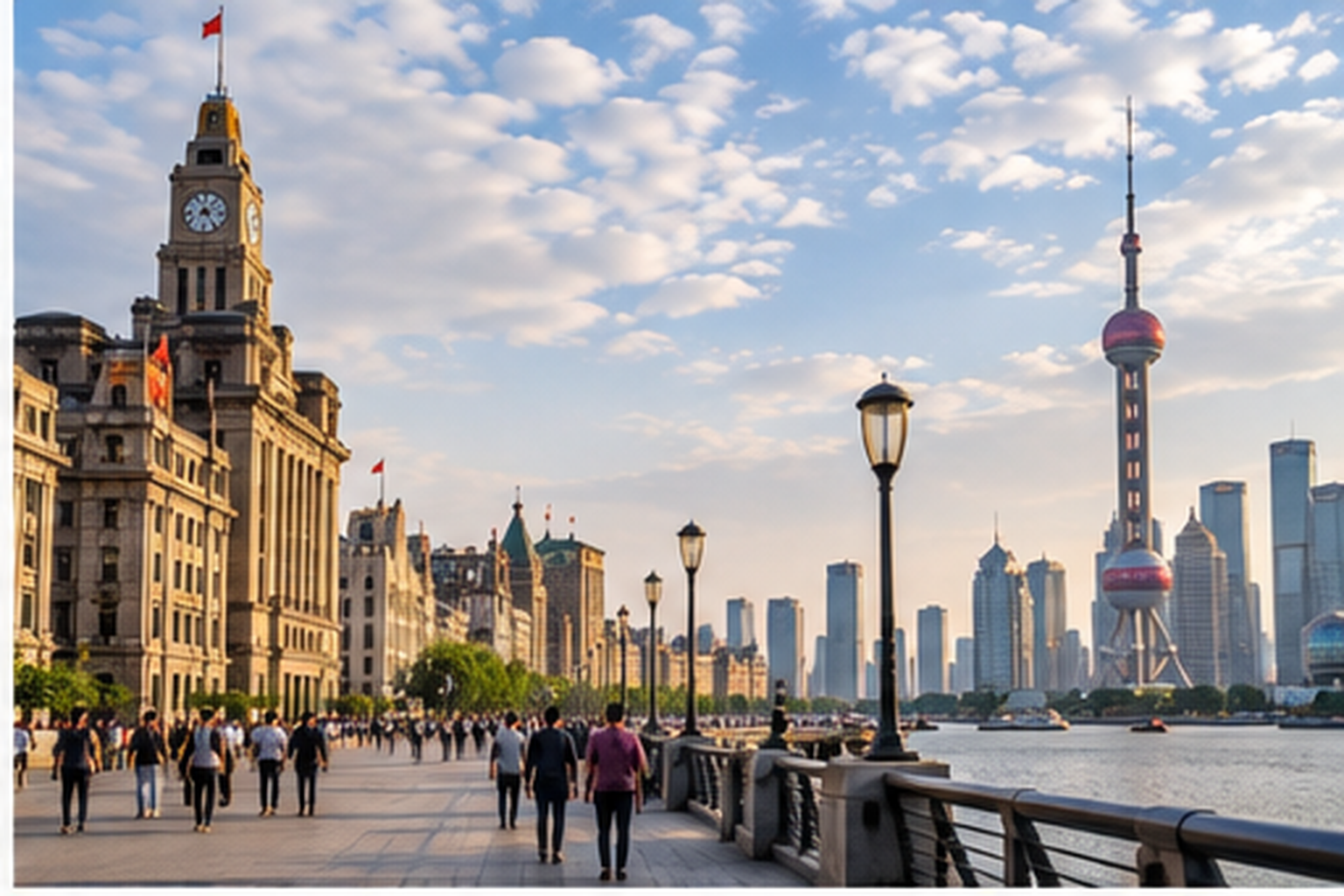
This is the city’s great visual trick: the Bund preserves a monumental streetscape from modern Shanghai’s earlier commercial age while Lujiazui, directly opposite, represents the city’s dramatic late-20th- and 21st-century expansion. Walk slowly. Look at the carved stone, then turn around and look at the towers. Repeat as necessary.
Continue toward Nanjing Road and the volume rises. Department stores, cafés, shoppers, delivery riders and glowing signs pull you inland. Shanghai is polished here, but never motionless. Even when you stop, the city keeps moving around you.
Pudong, Where Shanghai Goes Vertical
Cross the Huangpu and the skyline stops being scenery. Now you are inside it.
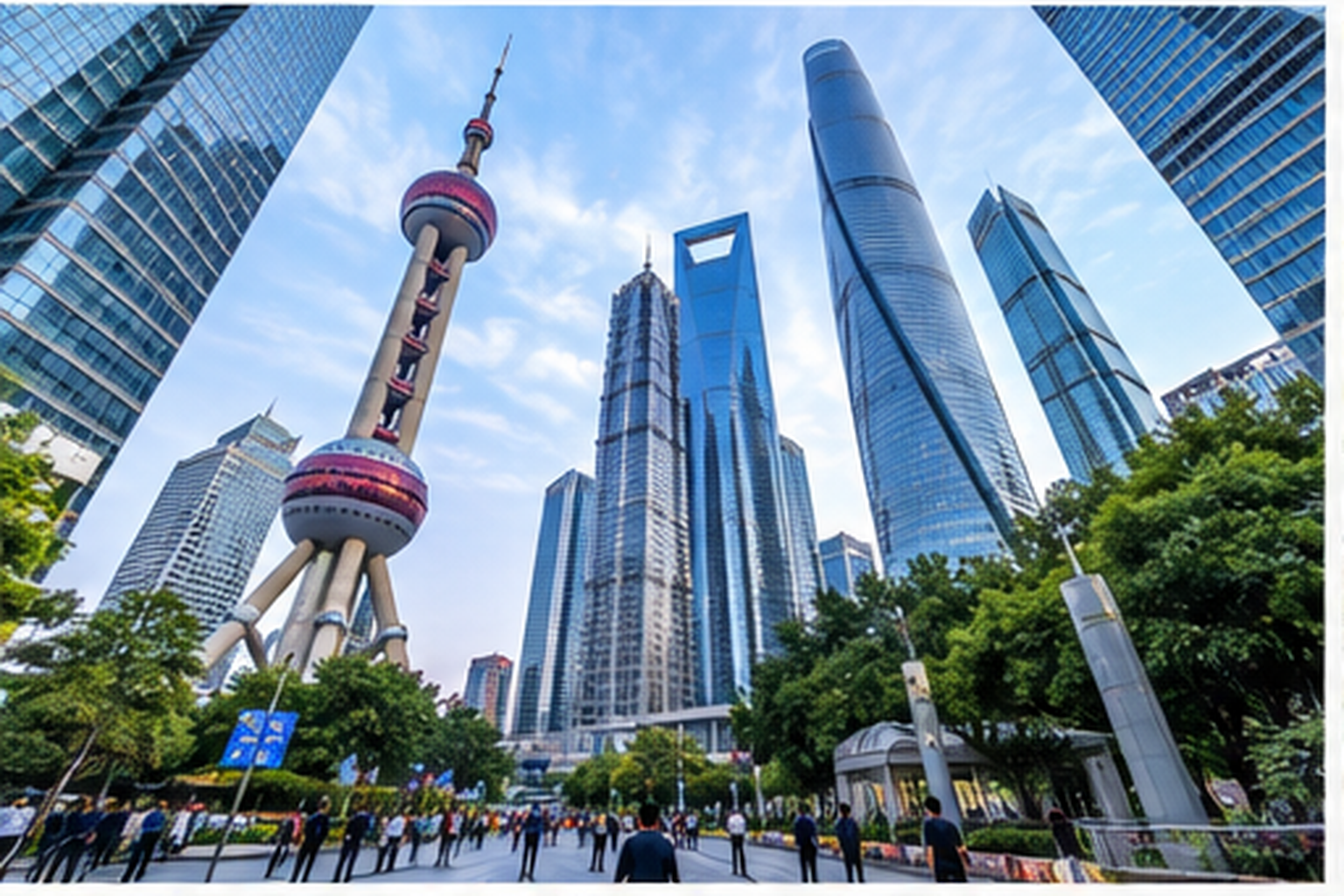
Lujiazui is Shanghai’s financial district and its most obvious statement of modern ambition. The Oriental Pearl Tower, Jin Mao Tower, Shanghai World Financial Center and Shanghai Tower crowd the same piece of sky. From street level, the scale is almost comic; you keep leaning backward to see the tops.
Go up one of the observation towers if the weather is clear. From above, the real achievement is not a single skyscraper but the size of the city spreading in every direction. Roads, apartment districts, river bends and dense neighborhoods reveal a metropolis much larger than the postcard skyline suggests.
Then come back down. Shanghai is more interesting at human height.
Four Hundred Years Hiding Between Towers
Yu Garden is the reset button. Curved roofs, rockeries, ponds, pavilions and zigzag paths replace the glass-and-steel geometry of Pudong.
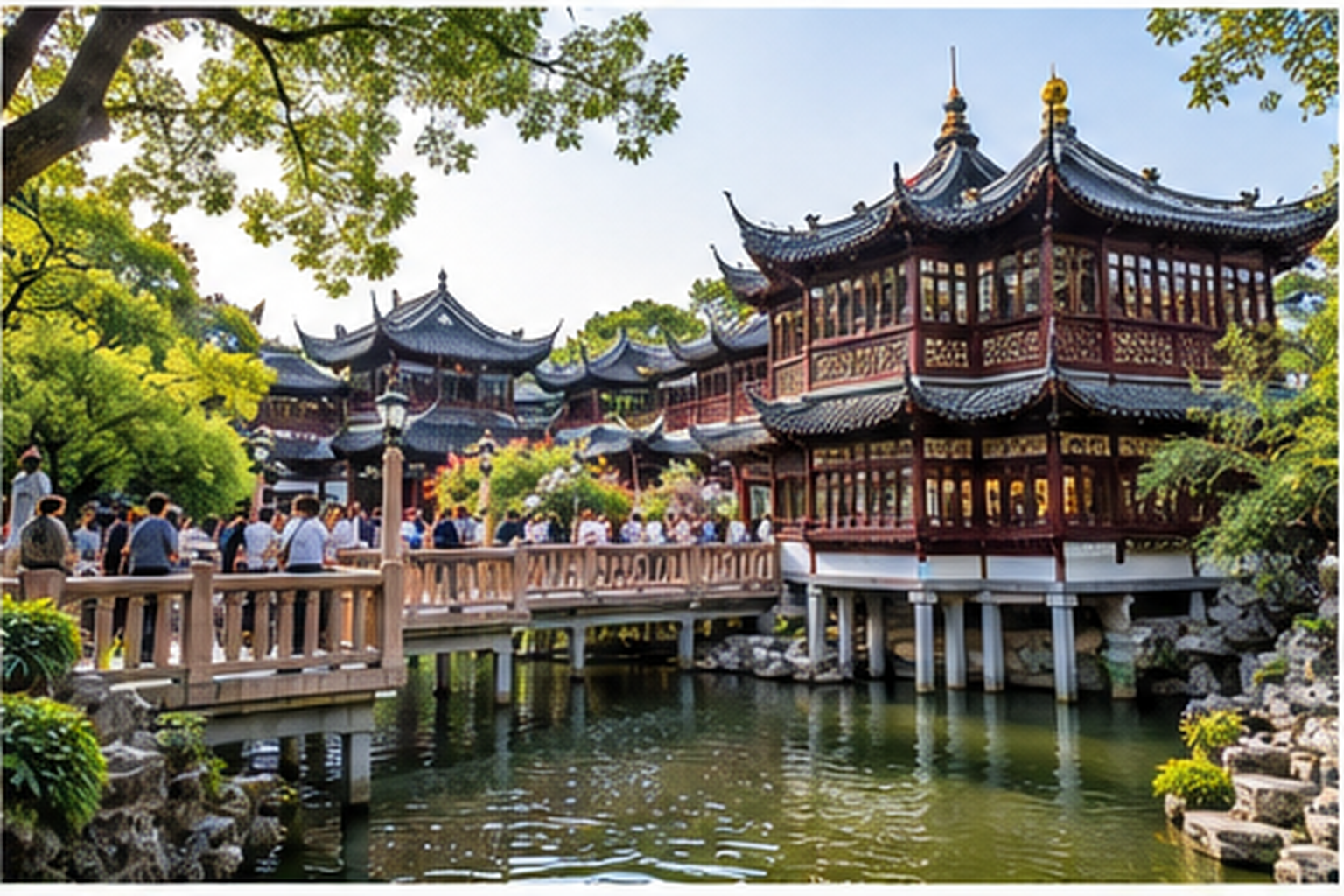
The garden traces its origins to the Ming Dynasty, and the surrounding Yuyuan area remains one of the easiest places for a first-time visitor to feel the older visual language of Shanghai. It can be busy, especially around the shopping streets, but step into the garden itself and the city changes scale.
Nearby, traditional crafts, tea, snacks and ornate architecture share space with QR codes and digital payment. That combination is Shanghai in miniature: heritage is not kept behind glass; it negotiates daily with the modern city around it.
The Dumpling That Punishes Impatience
Shanghai has many serious culinary arguments. For a visitor, start with xiaolongbao: delicate steamed soup dumplings associated strongly with the Shanghai region.
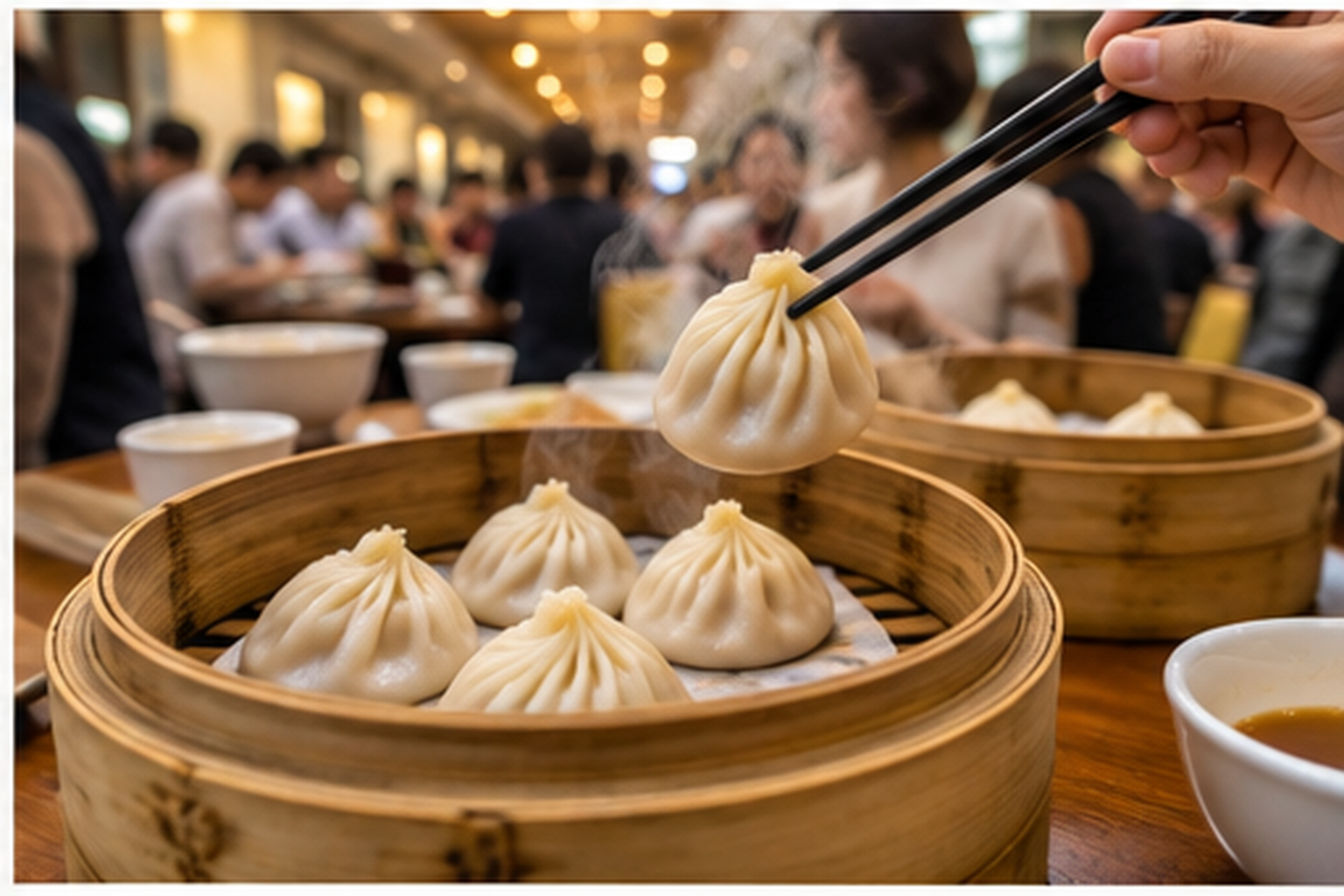
The first challenge is mechanical. Pick one up carefully, place it in a spoon, nibble a small opening and let the hot broth cool before eating. Ignore that sequence and the dumpling will provide immediate feedback.
Keep eating. Try shengjian mantou, pan-fried buns with a crisp bottom and juicy filling; scallion-oil noodles; braised dishes; and whatever busy neighborhood shop has a line of locals. Shanghai food can move from delicate to deeply savory in the space of one block.
English menus are common in visitor-heavy areas but not universal. Pointing, translation apps and a little curiosity solve a remarkable number of problems.
The Shanghai Between the Landmarks
The city becomes warmer when you stop collecting landmarks.
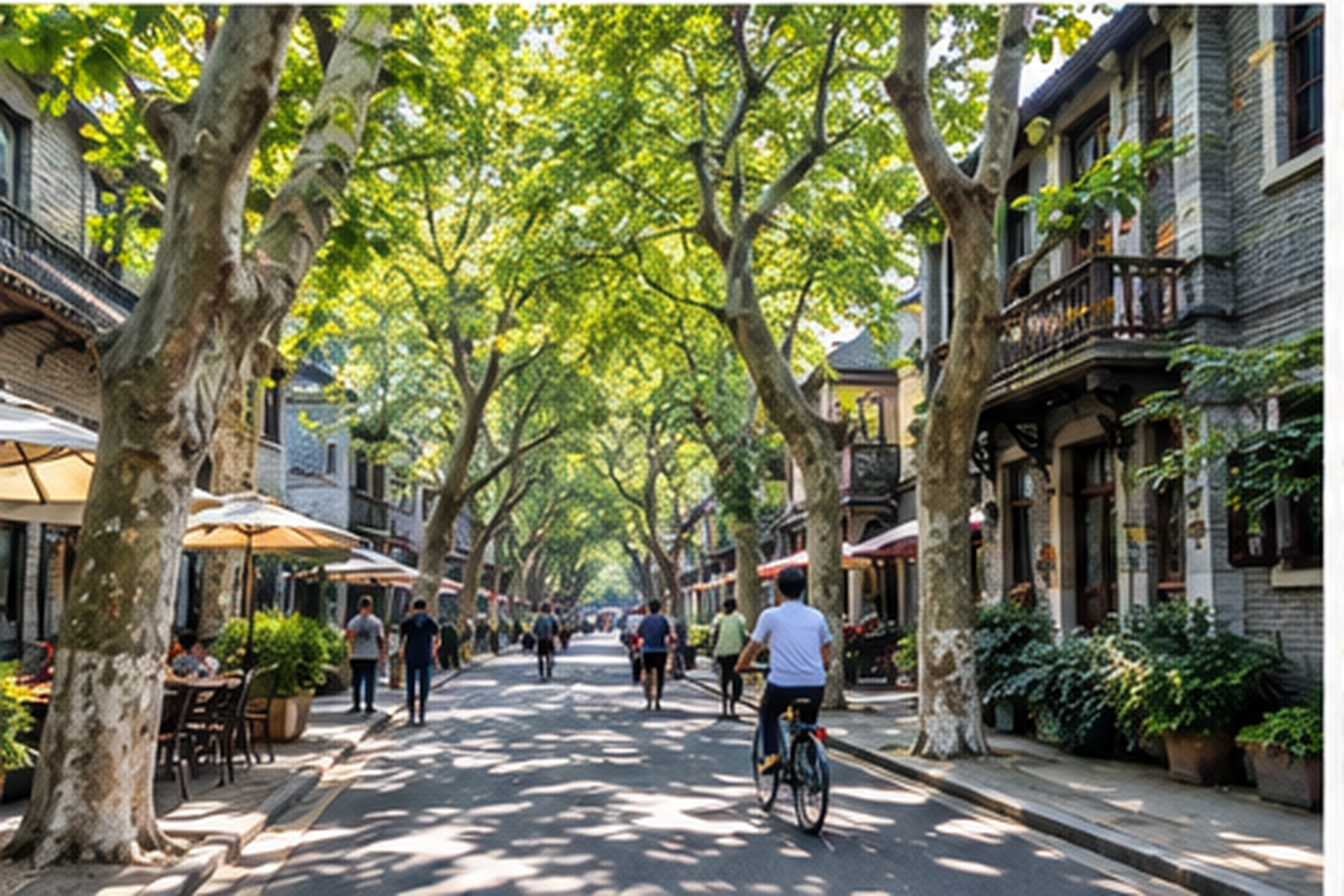
Walk through the former French Concession area and nearby neighborhoods where plane trees shade streets lined with cafés, old residences, boutiques and bicycles. Areas such as Xintiandi and the streets around Wukang Road show another version of Shanghai: fashionable, walkable and intensely interested in design.
Order coffee. Watch grandparents move through morning routines. Notice how quickly luxury storefronts give way to laundry, convenience shops and apartment entrances. The most memorable interaction may be a shopkeeper helping you order, a stranger pointing toward the correct metro entrance, or a table of diners laughing as you work out how to eat something.
Modern Shanghai is not only technology. It is millions of small routines working at metropolitan scale.
When the Screens Turn On
After dark, Shanghai performs its favorite magic trick again.
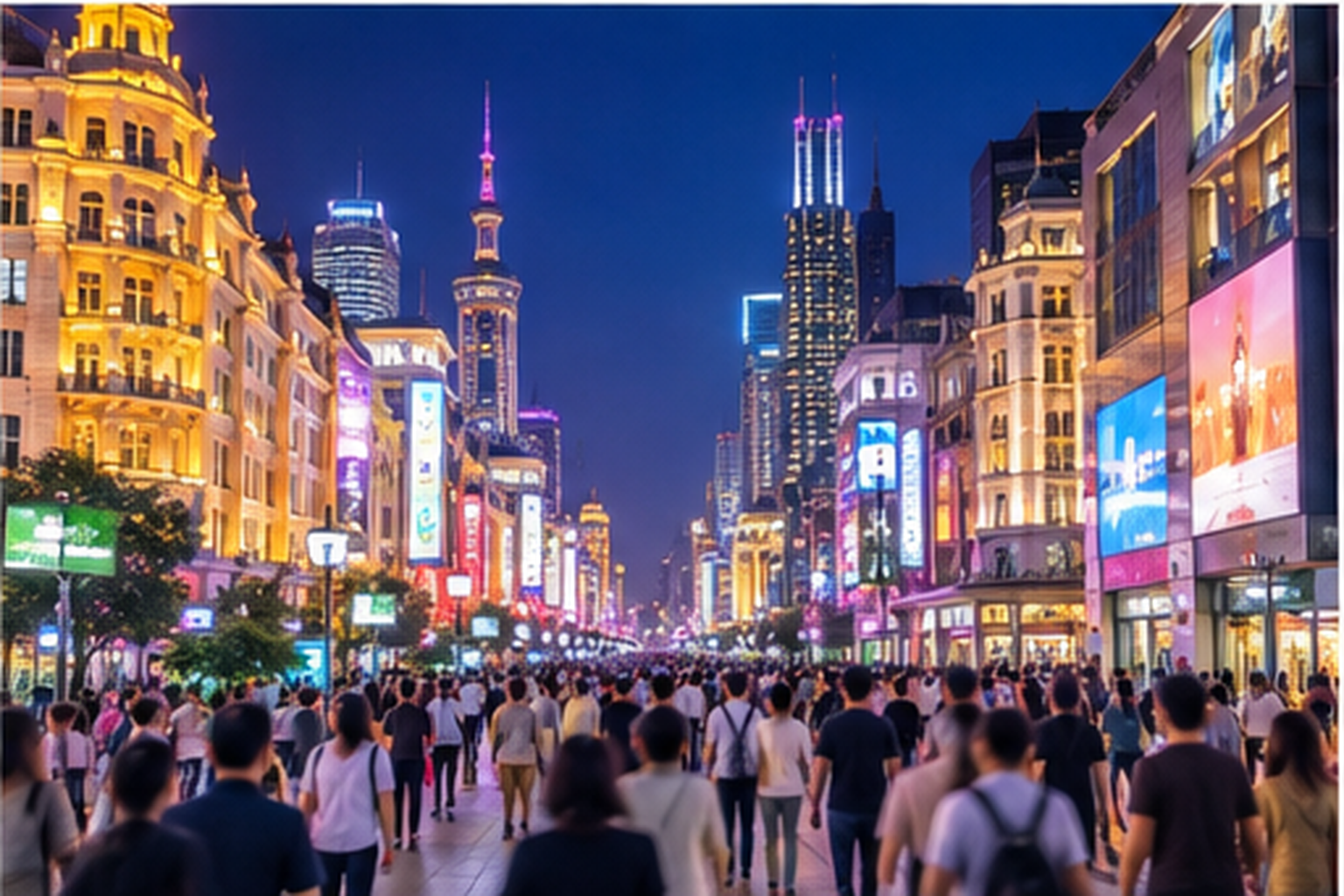
Nanjing Road fills with light and foot traffic. Rooftop bars look toward Pudong. River cruises slide between two illuminated waterfronts. New malls and entertainment spaces lean hard into immersive screens, digital art and spectacle. Shanghai understands that modernization can also be theater.
But do not spend the whole night indoors. Return to the Huangpu River. The same skyline that looked ambitious in daylight becomes almost unreal after sunset, and the Bund’s historic façades glow on the opposite bank. A century of architecture faces a city that seems to have arrived from tomorrow.
This is the Shanghai photograph everyone takes. It is still worth taking.
One Last Turn: 1,700 Years Away
For the final contrast, leave the skyscrapers behind and head toward Zhujiajiao, an ancient water town in Shanghai’s western suburbs.
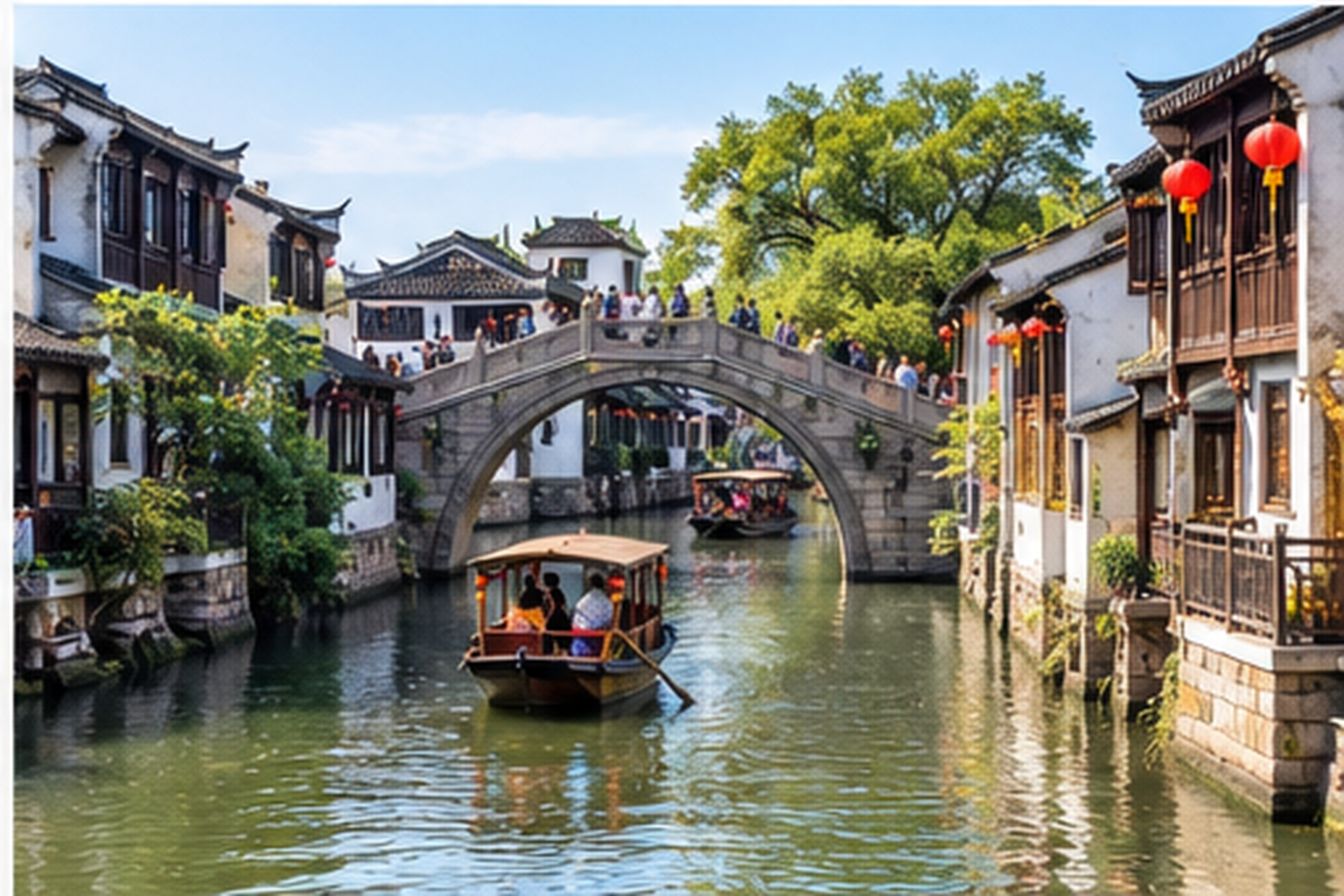
Its canals, stone bridges and older streets belong to the Jiangnan water-town tradition — the historic culture of the lower Yangtze region south of the river. A short boat ride changes the soundtrack from traffic to water and conversation.
That is the right ending because Shanghai’s real excitement is contrast. A Ming-era garden can sit inside one of the world’s most modern cities. A quiet canal town can be reached from a metropolis of skyscrapers. A dumpling shop can be as memorable as an observation deck.
You came to see the future. Shanghai sends you home thinking about how much of the past came with it.
Shanghai in 4 Nights
Give the city enough time to show you both sides of the river, its older neighborhoods, its food and one slower escape beyond the skyline.
Old Meets New
Walk the Bund, explore Nanjing Road and watch Pudong light up across the Huangpu.
Go Vertical
Cross to Lujiazui, visit an observation deck, then return for a Huangpu River evening.
Garden & Neighborhoods
Explore Yu Garden, eat xiaolongbao, then wander Xintiandi and tree-lined historic streets.
Water Town
Take a half- or full-day trip to Zhujiajiao, then finish with one last Shanghai dinner.
Build Your Shanghai Trip
Everything you need to plan, book and enjoy your Shanghai escape.
Book Flights
Compare flights to Shanghai and choose the route and schedule that work best for your trip.
SEARCH FLIGHTS →Find the Best Stays
Find and compare hotels and places to stay across Shanghai.
EXPLORE STAYS →Book Top Experiences
Discover Shanghai city tours, food experiences, river cruises, observation decks and memorable day trips.
EXPLORE EXPERIENCES →Travel Essentials
Search Amazon for useful travel essentials for your trip.
SEARCH ESSENTIALS →ⓘ As an Amazon Associate I earn from qualifying purchases.
A Few Things Before You Go
Shanghai is fast-paced, but basic courtesy travels well. Queue where queues form, keep voices moderate in temples and gardens, ask before photographing people closely, and carry a translation app for moments when English is not available.
Tipping is generally not part of everyday service culture in mainland China. Check any hotel or tour arrangement separately rather than assuming U.S.-style tipping rules.
Use licensed taxis or established ride-hailing options and be cautious when strangers near major tourist areas invite you to an unplanned tea ceremony, bar or shop. Confirm prices before agreeing to private tours or services.
Digital payment is deeply embedded in daily life, so prepare your payment setup before arrival and keep a backup method. Some internet services commonly used elsewhere may not work normally in mainland China; arrange essential apps, maps and connectivity before the trip and check current entry and payment guidance close to departure.
Do not turn Shanghai into a checklist. Spend reasonably on the river view, the dumplings, the observation deck or the experience you will actually remember. Leave time to wander, relax, smile when something gets lost in translation, and enjoy being in a city that keeps surprising you.
Shanghai was only one wrong turn.
There are plenty more. Choose another Trax5 story and see where you end up.