
Sunrise Over a Thousand Years

The sky lightens before the city wakes. Beyond Yogyakarta, stone stupas emerge from the morning haze, and the first sunlight makes a thousand years feel suddenly close. Sunrise Over a Thousand Years begins at Borobudur, but the story keeps moving: temple towers, warm rice, wax on cloth and music floating through an open pavilion.
Give Jogja, as the city is affectionately known, time to introduce itself. Visit Borobudur and Prambanan on separate days, then return to the streets for gudeg, small food stalls and Javanese culture that belongs to everyday life as much as to the monuments.
Meet the Morning at Borobudur

Leave Yogyakarta while the streets are still quiet and travel toward Borobudur near Magelang in Central Java. As daylight gathers, the green landscape begins to show its shape. The Buddhist monument rises in terraces, its carved galleries leading toward circular levels dotted with bell-shaped stupas.
Arrange your sunrise experience through the official ticket channel before setting an early alarm. A grounds ticket, a temple climb and a sunrise product are different arrangements; confirm the meeting point, entry time and exactly what your booking includes. A nearby viewpoint is another way to welcome the morning, but it is not entry onto the temple.
Once your permitted visit begins, slow down beside the reliefs rather than treating the monument as a staircase to a photograph. Follow your guide and the required footwear and access rules. Keep off the stupas and carvings. Clouds may soften the sunrise; the stone has a story even when the sky refuses to perform.
Let Gudeg Set the Pace
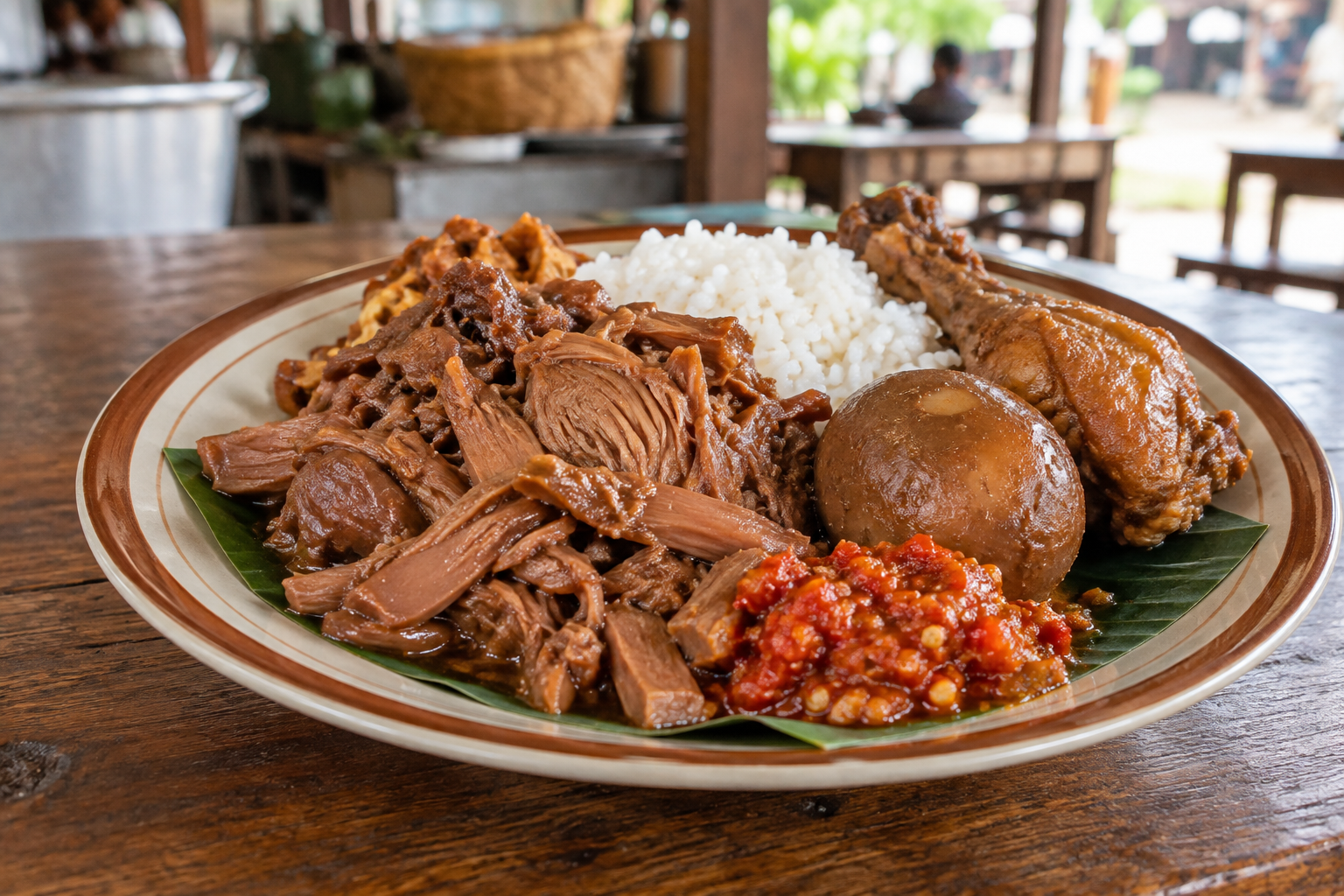
Back in Jogja, breakfast can be a plate of gudeg: young jackfruit cooked until tender, often with coconut milk and palm sugar. With rice, egg or chicken and a little sambal, its sweetness meets savory richness. The first mouthful explains why this dish is so closely tied to the city.
Choose a busy warung, read the menu and ask which accompaniments come with the plate. Jackfruit does not automatically make the whole meal vegetarian; ask about broth, toppings and cooking ingredients. Start gently with the sambal, then add more if you want.
A spoon scrapes a plate. A new customer orders without looking up. Breakfast becomes your first lesson in local rhythm: sit down, say terima kasih when you are served, and allow a meal to take the time it needs.
Listen Before You Rush Through the Kraton
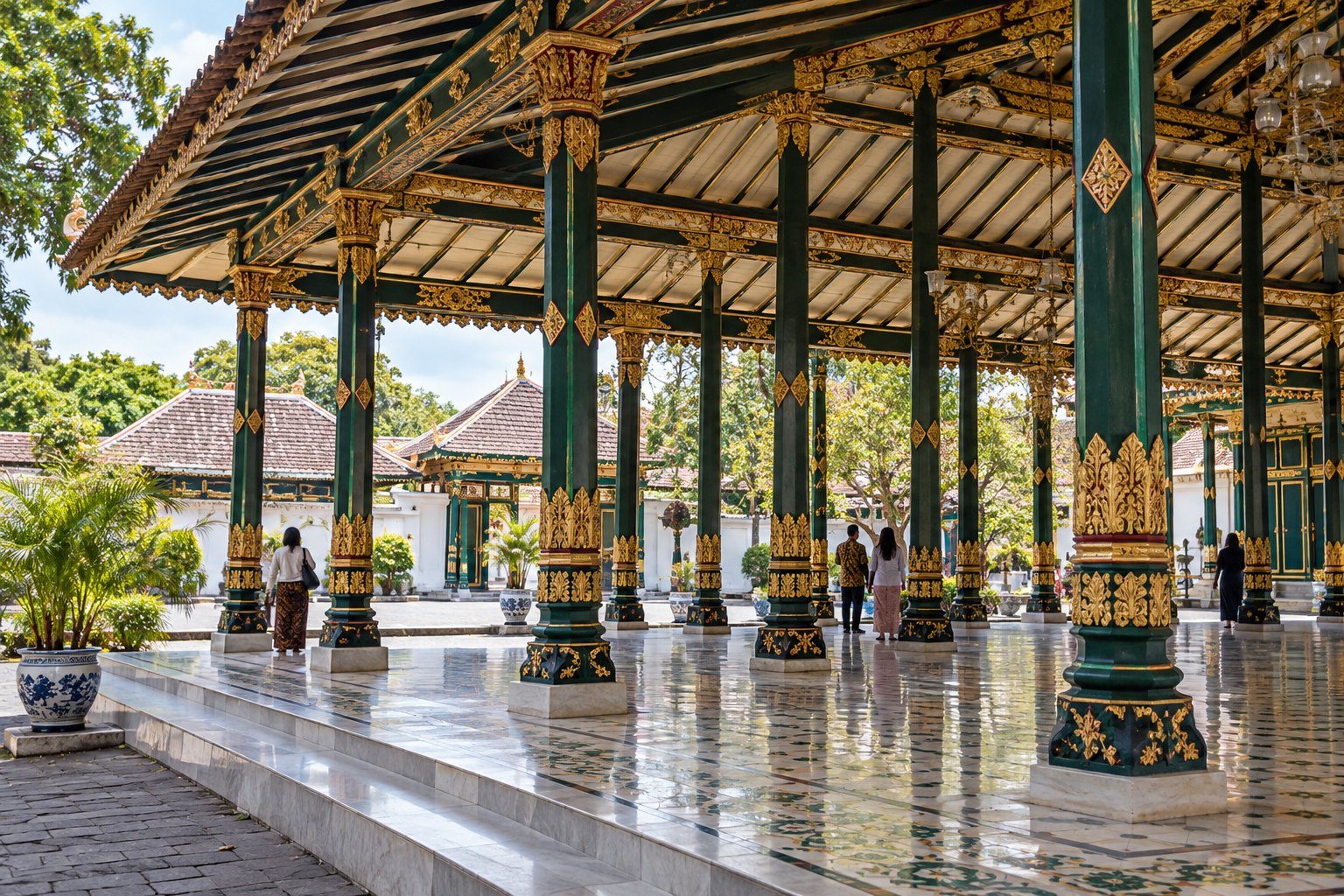
The Kraton, Yogyakarta’s royal palace, gives the city a different center of gravity. Open pavilions, courtyards and carefully preserved objects offer a way into Javanese court traditions. This is a living cultural setting, so the best visit begins with attention rather than a long list of photographs.
Check the visitor entrance, opening arrangements and any performance schedule before you go. A local guide can explain the spaces and traditions more clearly than a quick walk alone. Dress modestly, respect closed areas and ask before photographing staff or performers.
If music is part of your visit, listen to how a gamelan ensemble builds texture from many instruments. You do not need to understand every convention to notice the care in the performance. Leave room afterward for a walk through the surrounding neighborhood.
Watch a Batik Story Appear
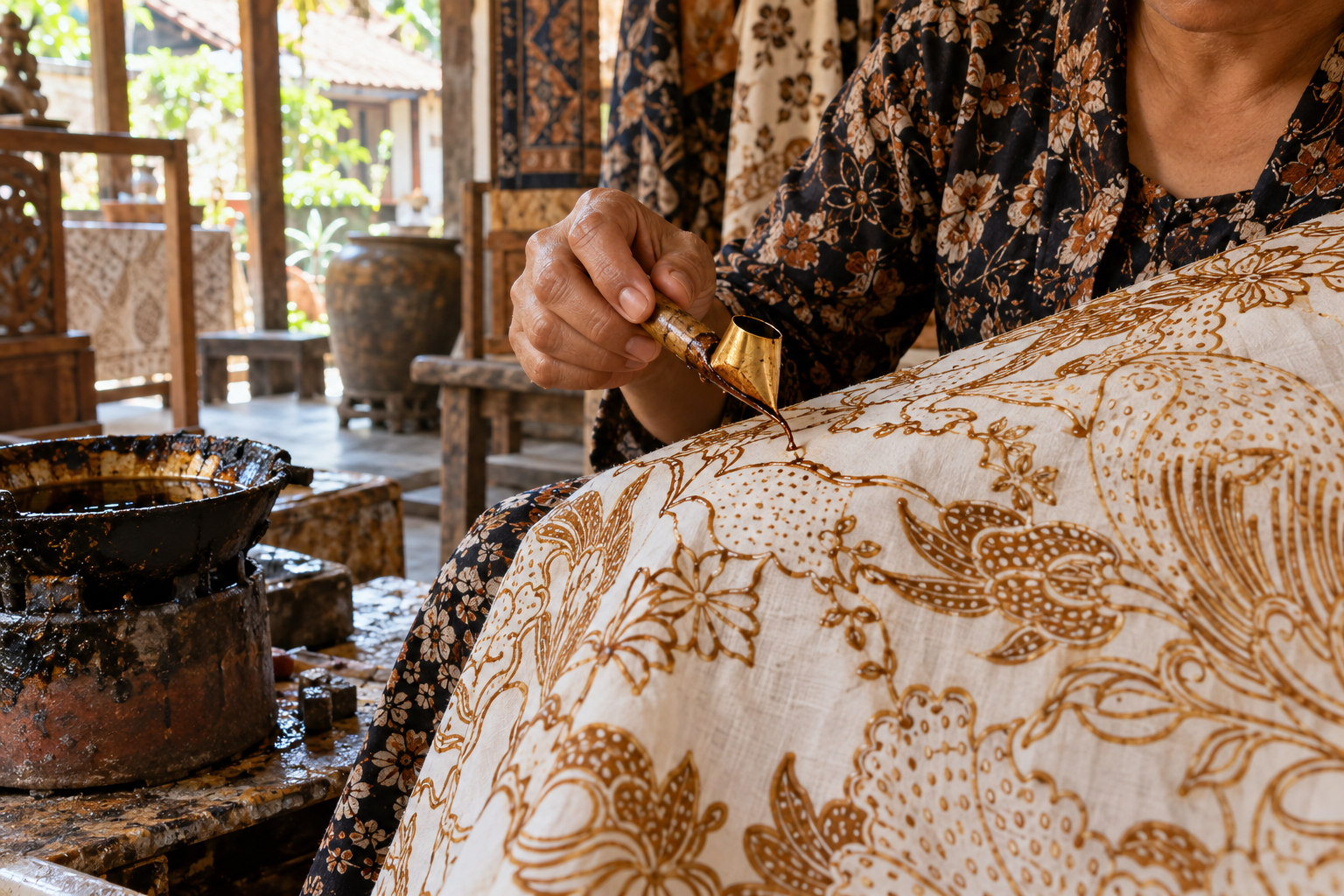
In a batik workshop, the movement is small: a canting pen tilts, warm wax touches cloth, and a line becomes part of a larger pattern. Watching the process makes you look differently at the textiles hanging in shops and market stalls. What seemed like decoration begins to look like time.
Choose an artisan-led demonstration or workshop and ask about the meaning of the motifs. If you try the technique yourself, follow instructions around hot wax and dyes. Your first lines may wobble; that is a useful introduction to how much practice the work requires.
At Beringharjo or a small textile shop, ask whether a piece is hand drawn, stamped or printed before comparing prices. These are different processes. Browse with curiosity, bargain politely where appropriate, and buy something you will actually use.
Look Up at Prambanan

Prambanan changes the silhouette of the trip. Where Borobudur spreads across terraces, this Hindu temple complex rises in pointed towers. Walk far enough back to see the buildings together, then move closer to the carved stone and the stories a guide can help you read.
Give the visit its own afternoon rather than racing here straight from an early Borobudur start. Bring water, sun protection and shoes that handle uneven ground. Follow the marked routes and current access restrictions; these monuments deserve more care than a hurried climb for a picture.
If you want to see a Ramayana dance performance, check the date, venue, ticket and weather arrangements separately. Do not assume it is included with temple entry or staged every evening. Let the last light on the towers be enough, and add the performance when the schedule fits.
Finish at a Small Street-Food Stall
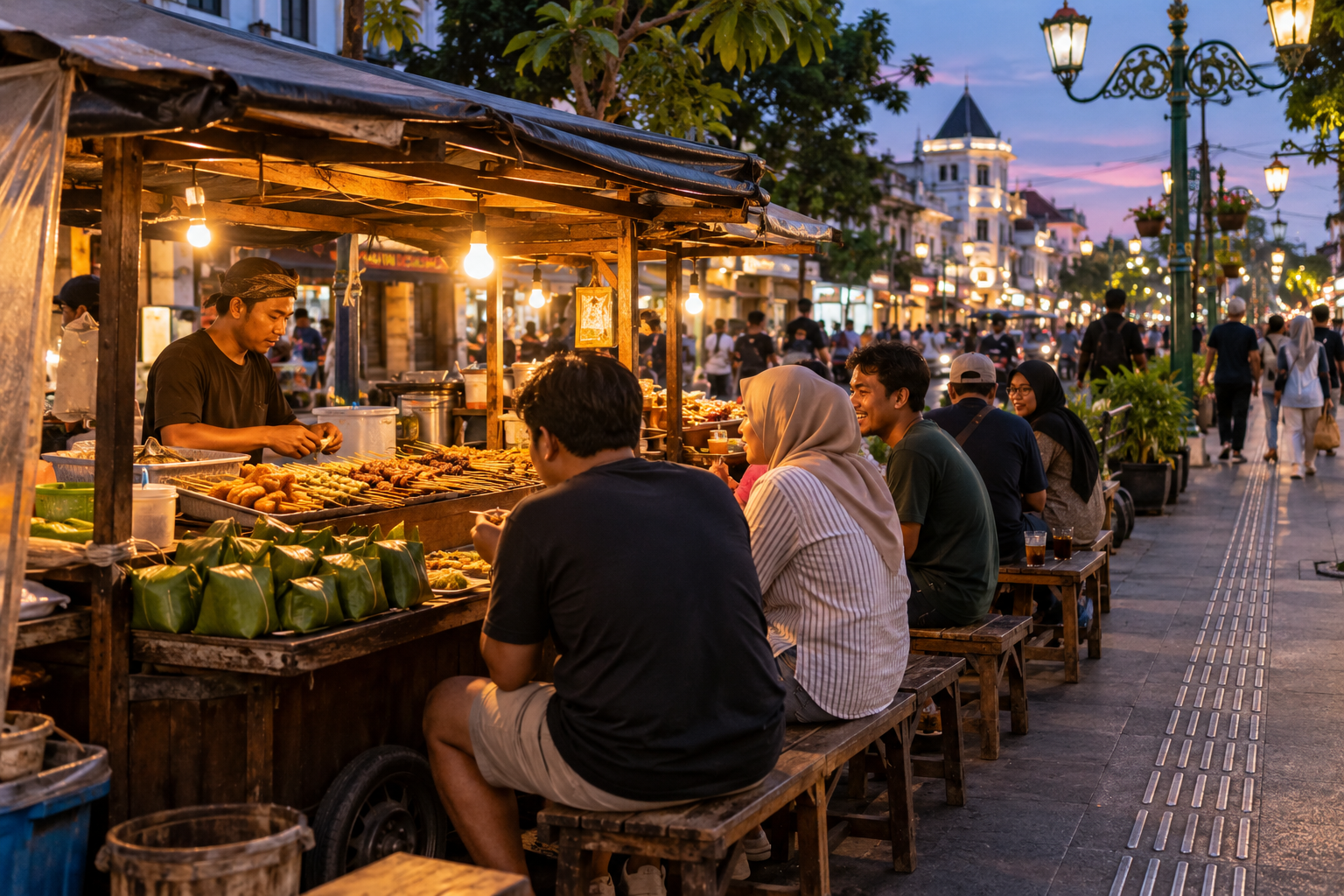
Back near Malioboro, the evening gathers around food and conversation. Seek out an angkringan, a modest stall where small rice packets and skewers make it easy to try a little of several things. A warm drink arrives, another chair is pulled closer, and the day finally stops rushing.
Ask what is in each packet or skewer and how the bill is counted before choosing. Look for freshly cooked food and a busy stall, use drinking water you trust, and tell the vendor about any dietary restrictions. Small portions leave room to discover what you like.
The temples gave the trip its scale, but the city gives it warmth. Someone is heading home from work; someone else is staying for one more cup. Sit for a few minutes longer. Jogja is not only a place to look back a thousand years. It is a place to enjoy the evening you have now.
Four Days in Yogyakarta
Give each temple a day of its own and keep time in the city for food, the Kraton and batik. Plan early starts around confirmed entry arrangements.
City, Court & Gudeg
Visit the Kraton during confirmed visitor hours, try gudeg, browse Beringharjo and enjoy an easy Malioboro evening.
Borobudur & a Slow Return
Use your confirmed sunrise or temple booking, allow time for the journey to Central Java and return for a relaxed meal.
Batik & Neighborhoods
Take an artisan-led batik workshop, explore nearby streets and try an angkringan in the evening.
Prambanan & an Optional Performance
Visit Prambanan without rushing; add a separately booked Ramayana performance if the schedule and venue suit your plans.
Build Your Yogyakarta Trip
Everything you need to plan, book and enjoy your Yogyakarta escape.
Search flights to Yogyakarta
EXPLORE →Find hotels in Yogyakarta
EXPLORE →Book top experiences
EXPLORE →Travel Essentials
SEARCH ESSENTIALS →ⓘ As an Amazon Associate I earn from qualifying purchases.
A Few Things Worth Knowing in Yogyakarta
A friendly terima kasih means thank you. Dress modestly at temples and the palace, follow any sarong or footwear requirements, and use your right hand when offering or receiving something where practical. Ask before photographing people and keep your voice low around worship or performances.
Check the bill for service charges before adding a tip. A modest extra amount for good service can be appreciated; agree what a private guide or driver’s fee includes beforehand. Carry small rupiah notes for small stalls and avoid turning every transaction into a negotiation.
Politely decline unsolicited invitations to special batik exhibitions or shops if you did not plan them. Confirm becak routes and fares before riding, use reputable transport and keep valuables secure in crowds. Buy temple access from official or reputable channels and check exactly what is included.
The currency is the Indonesian rupiah. Carry water, a hat, comfortable shoes and rain protection. Allow generous travel time to Borobudur and to YIA airport, confirm transport arrangements and use trusted drinking water. Check attraction hours and access before each outing.
Spend on a guide who helps you understand the temples, a workshop that pays an artisan for their time, or a meal you will remember. Leave room for an ordinary evening at a small stall. Relax, smile and enjoy Jogja; you do not have to see everything to feel that you have been somewhere.
Yogyakarta was only one wrong turn.
There are plenty more. Choose another Trax5 story and see where you end up.